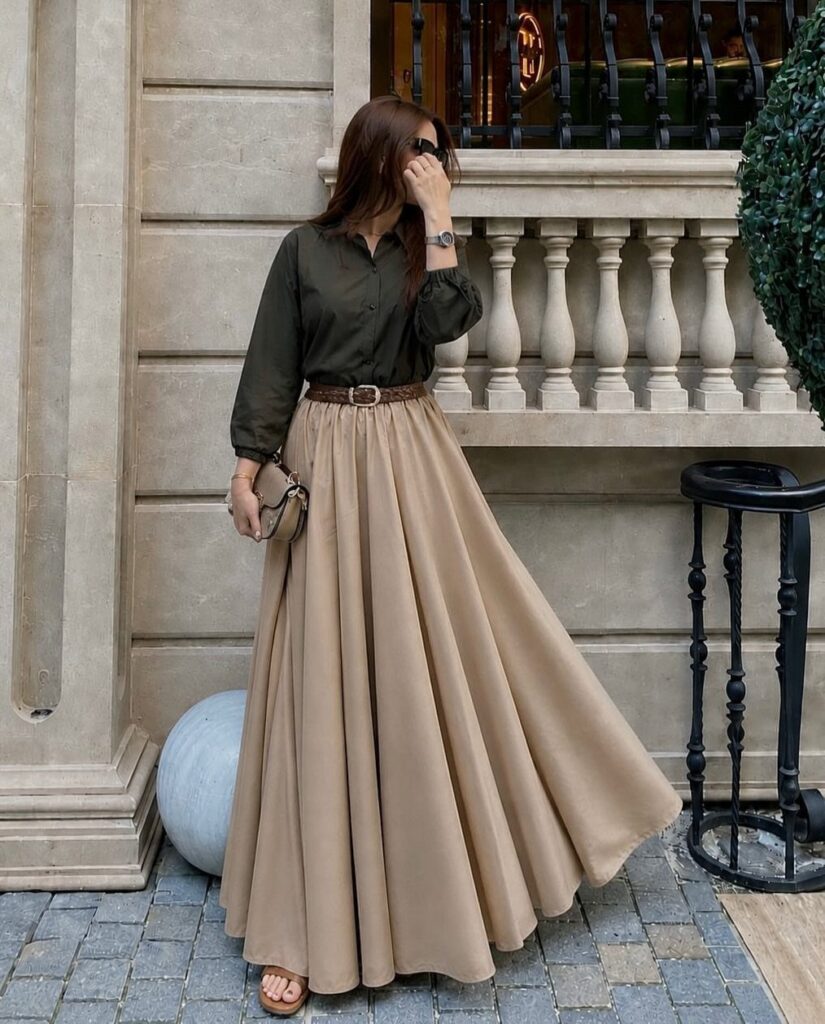
These 9 ideas run from a shirtdress to a knee-length sheath, and the right one depends on how formal your office reads a bare forearm or an open shoe.
1. Shirtdress
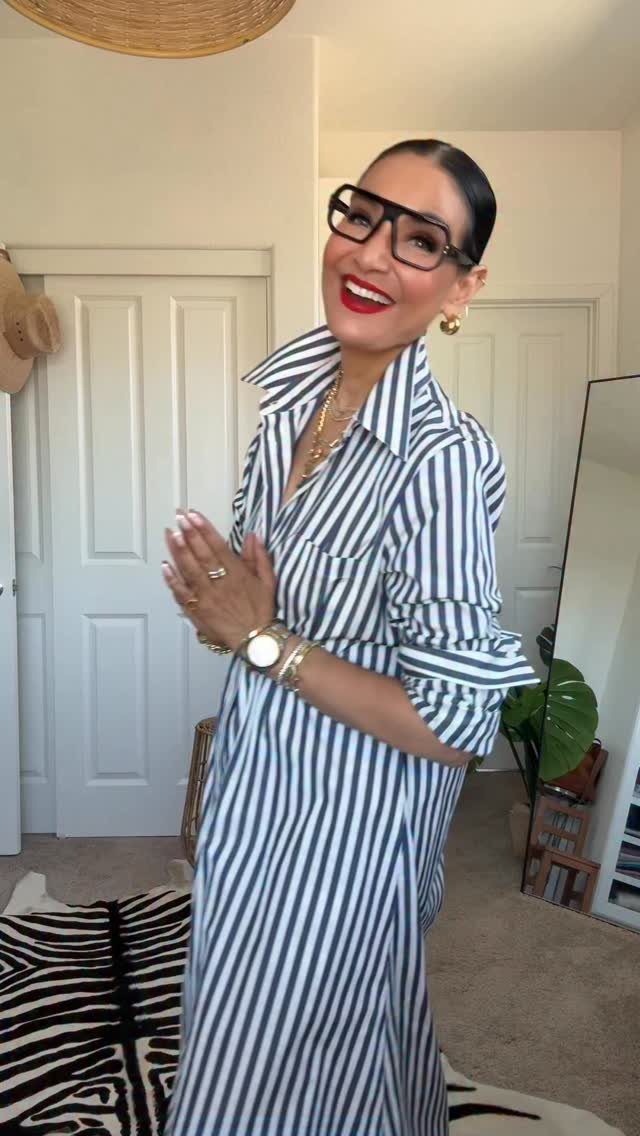
A shirtdress is the closest thing to a fully planned outfit in one zip or button. I like that the collar and placket do the work of making it office-appropriate while the cut stays loose enough to catch any breeze.
The one thing to manage before you leave the house is coverage. Stripe and pale cottons in particular can turn transparent in direct light, so I test mine against a sunny window and plan a half-slip or nude undergarments accordingly.
If your office runs cold, the same buttons that give shape also let you layer a thin blazer without bunching underneath.
2. Maxi Skirts
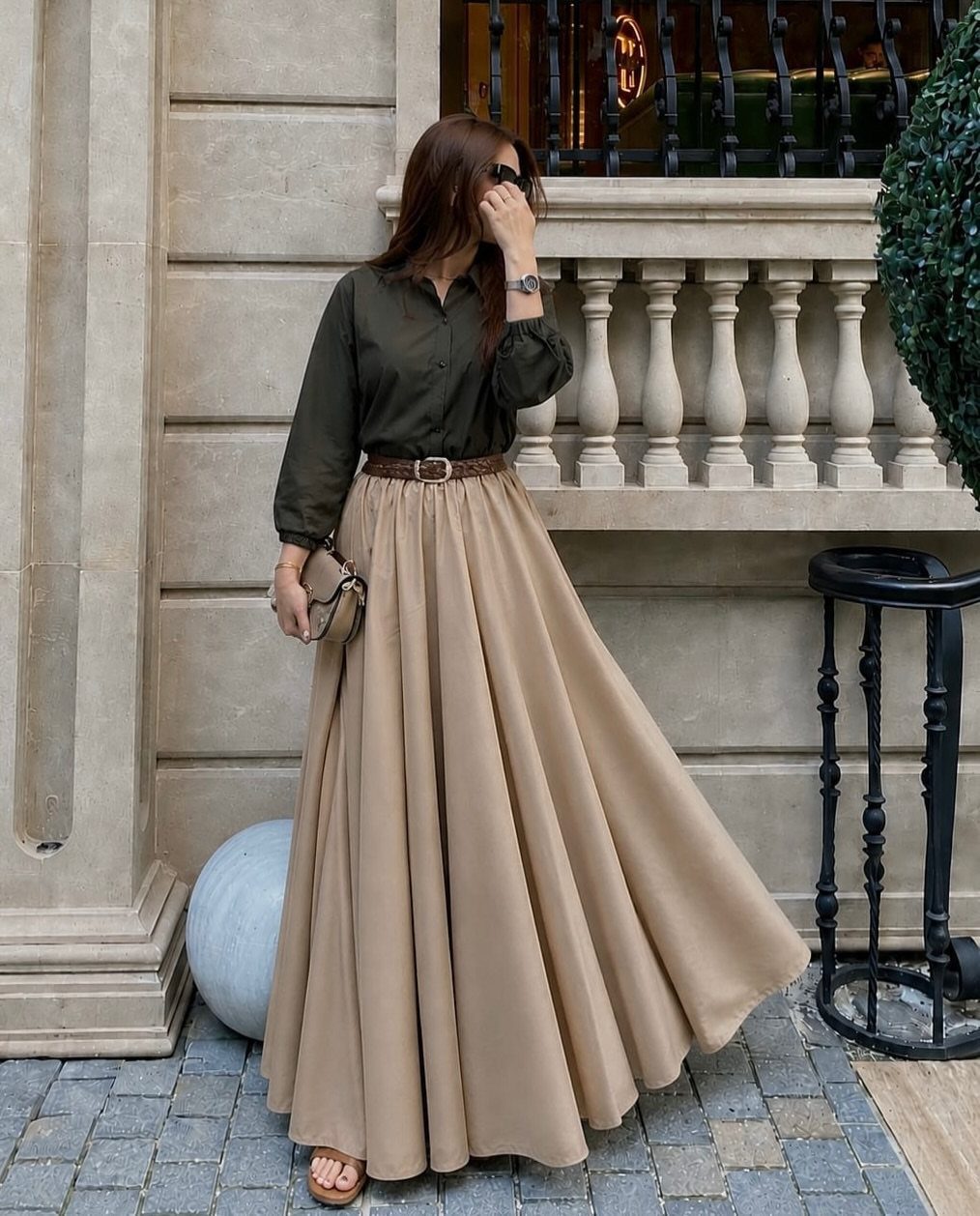
A maxi skirt buys you length for conservative offices without the trapped heat of trousers.
A maxi skirt works for the office when it is full enough to walk in but not so wide it looks borrowed from a weekend market; that balance is what keeps it professional.
I would look for something in a lightweight weave that moves when you do. Tucked-in tops work best with the volume, since a loose blouse over a loose skirt risks reading as pajamas.
A silk or satin slip skirt is another route entirely, and in my experience it does the same job with less fabric.
3. Culottes
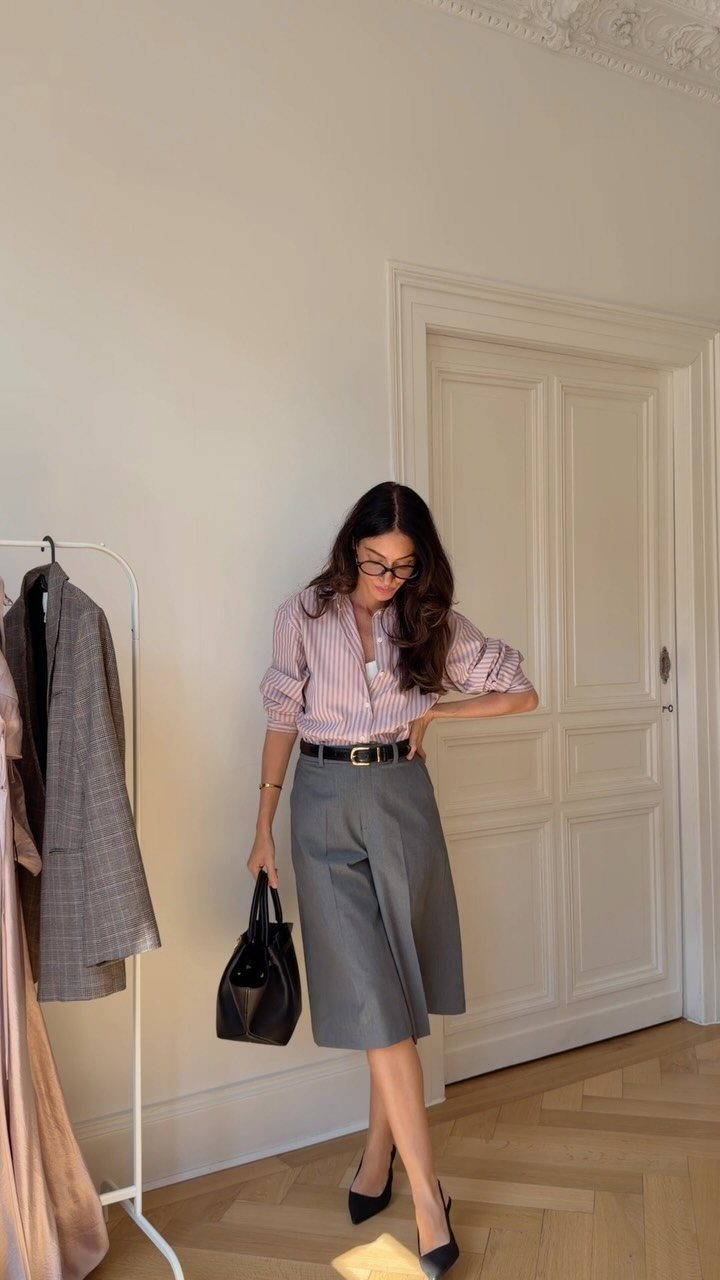
Cropped trousers that hit at the knee can read as either fashion-forward or confused, depending on the cut.
What saves these is the tailored waist and the sharp crease; without that structure, culottes flatten into something more suited to a garden party.
The length exposes more ankle than trousers do, which is where the heat relief comes from.
I pair mine with a closed-toe shoe rather than a sandal to keep the line office-appropriate, and I make sure the waist sits high enough that the leg does not widen from the hip.
That shape is what lets a simple button-down finish the look without trying too hard.
4. Wide-leg Pants
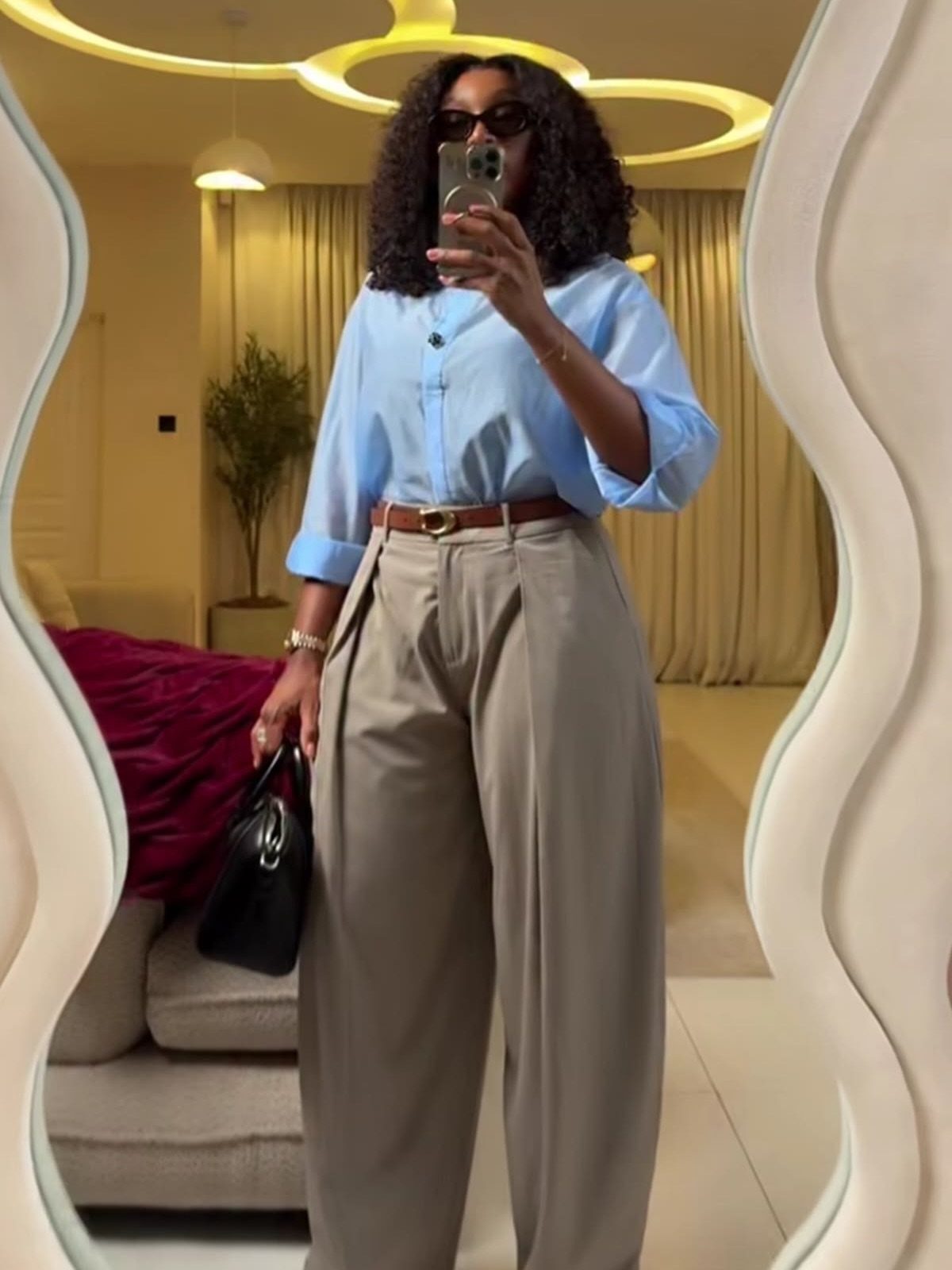
Loose fabric around the legs sounds like it would add heat, but the airflow makes wide-leg pants one of my first picks for a stuffy commute.
I prefer a cropped version that ends right at the ankle, especially on a smaller frame; the shorter length loses the fabric pool at the foot and pairs cleanly with flats, sandals, or a low pump.
Khaki wide-leg pants with a light blue shirt and a brown leather belt is a formula that works for summer offices. A tucked-in button-down in any pale tone does the work on top.
5. White Blazer with Light Trousers
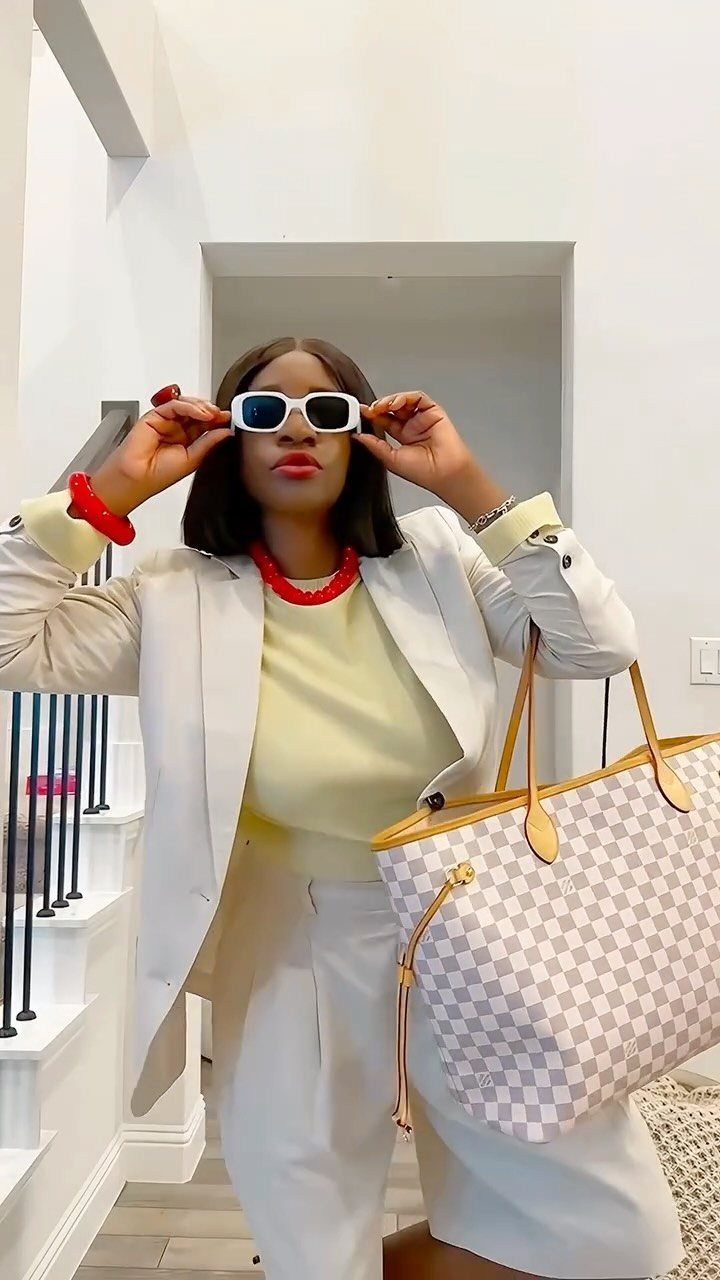
This is my go-to when I need to look assembled but the temperature is already climbing in the morning.
A white or cream blazer in a breathable weave, worn with trousers in the same family of color, reads as a suit without the weight of wool.
The yellow top underneath is doing more than adding color; it sits in a light fabric that will not fight the jacket from below.
A linen or unstructured blazer folded at your desk solves the problem of moving between outdoor heat and air-conditioned offices without adding bulk.
Sunglasses and a checked tote push it toward summer, but the core formula works with any bag you carry.
6. Knee-length Sheath Dress
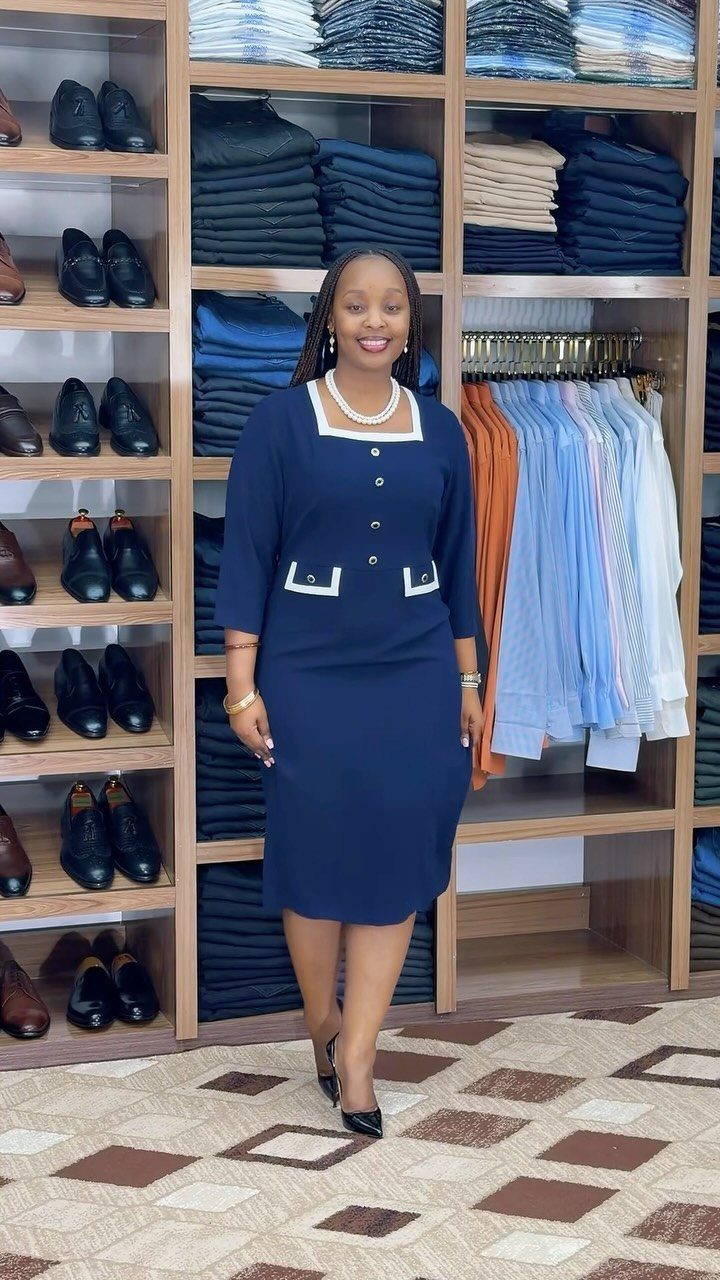
A fitted dress to the knee is the baseline a lot of offices expect, and for summer it works if the fabric has enough body to stand away from your skin.
Navy keeps it from feeling too winter-heavy; pearls at the neckline do the visual work so the color itself can stay dark and practical.
I check 3 things before I rely on a sheath in July: whether the lining is synthetic (it will stick), whether the armholes cut high enough to hide a sleeveless underlayer, and whether I own a cardigan that does not clash.
Pearl earrings finish it without adding heat anywhere.
7. Short-sleeve Midi Dress
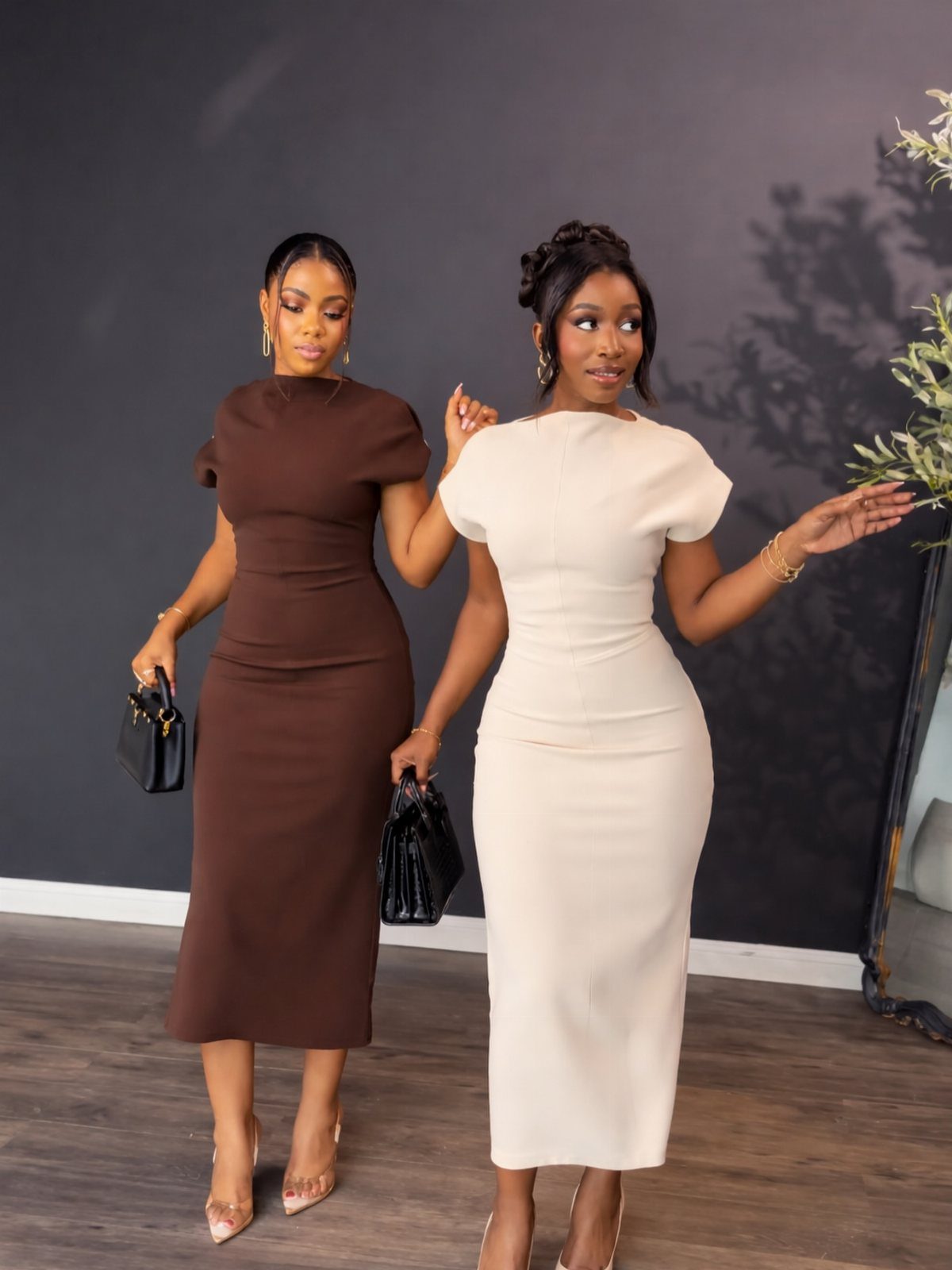
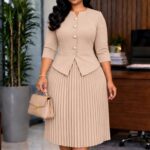
A fitted midi with short sleeves gives you the coverage of a sheath without the cling. The sleeve hits at mid-bicep, which is enough to hide bra straps and any underarm concern but leaves the forearm open to air.
A short-sleeve midi dress that sits close through the torso and flares toward the hem works with a low heel and a small structured bag, and it doesn’t need much else.
Check that the fabric is lined only where it matters, since a full lining traps heat fast once the morning commute is over.
I would avoid anything too pale or thin on top; the short sleeve and fitted cut already draw the eye upward, and opacity matters more there.
8. Footwear Choices
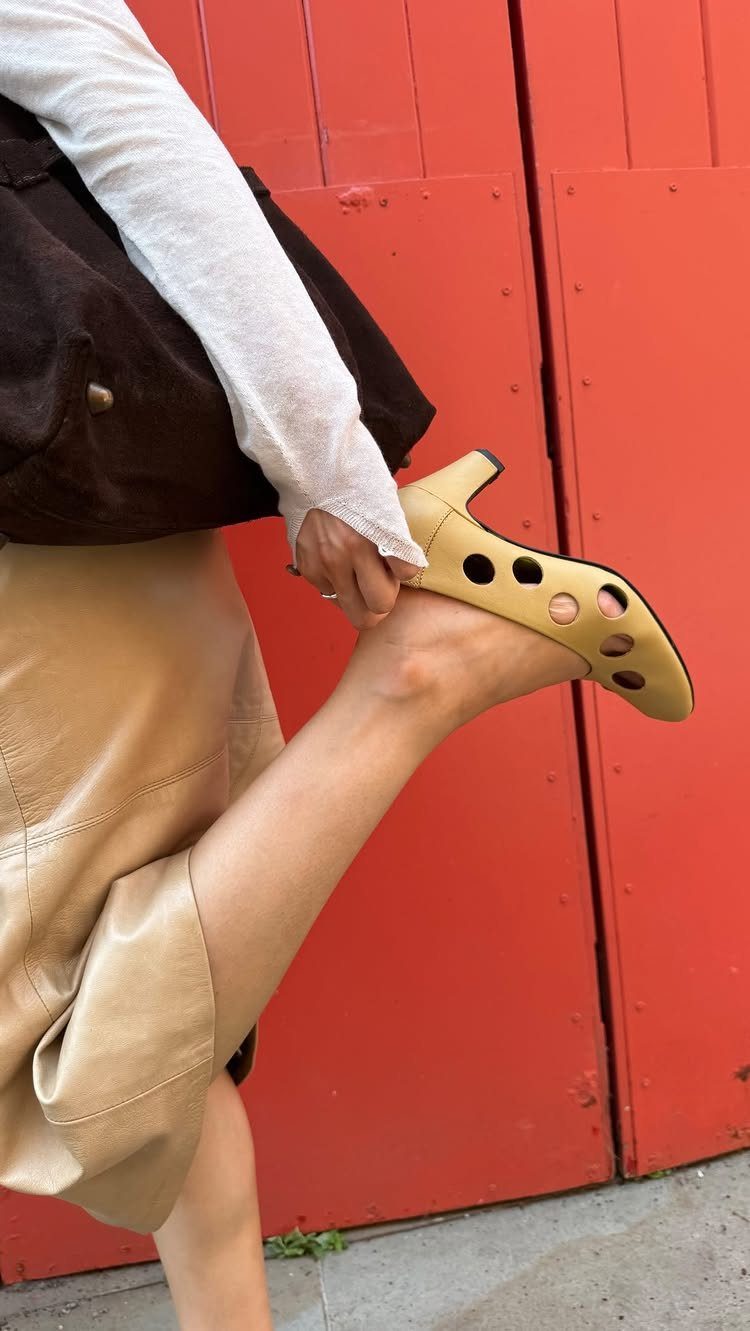
A perforated leather pump in a neutral tone lets air move through the cutouts without pushing the shoe into casual territory.
That balance is what to look for: open enough to let heat escape, closed enough to pass inspection at a formal office.
A flat mule or a very pointed ballet pump are other routes. A mule gives the openness of a sandal while keeping the toe covered; a pointed flat, paired with a sleeveless dress, looks intentional rather than like an afterthought.
I would choose a sandal only if the straps are narrow and the heel is present; a dressy flat sandal still reads as weekend to most offices.
9. Dainty Minimalist Jewelry
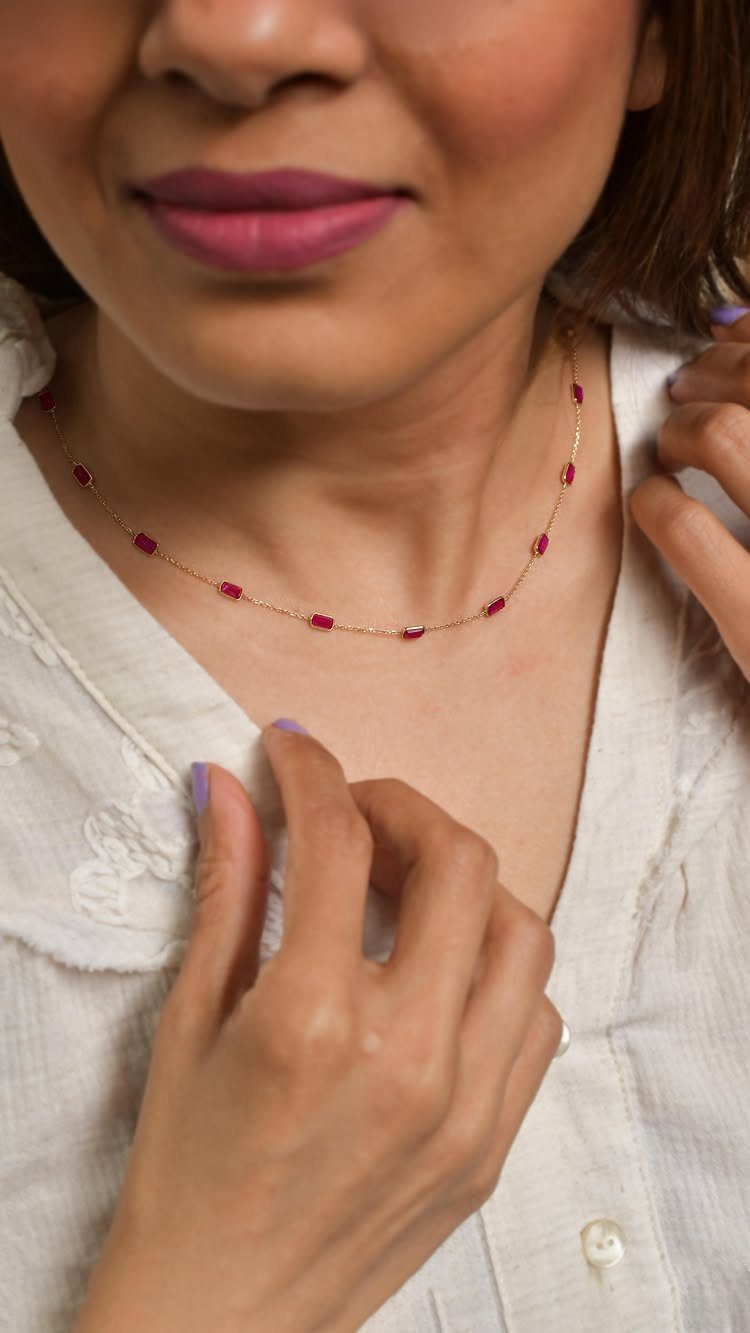
A fine chain with small stones sits flat against the collarbone and does not trap heat the way a layered stack or a chunky collar would.
Thin chains and small studs slip under a blouse buttoned to the collar and only show when you unfasten one button.
Gold or silver with a small colored stone gives the same polish as pearls with less formality.
A spare necklace and small studs in my work bag finish a look without adding bulk or clatter on days when I left the house barely dressed.
The only mistake to avoid is anything that swings or catches, which turns professional into distracted by noon.
Layering for Temperature Changes
A sleeveless base with a jacket on top is the most useful formula I know for days split between a hot commute and a freezing office.
The shift dress or tank underneath handles the walk to the train; the layer on top handles the desk.
A thin cardigan lives at my desk rather than coming along for the walk in. It sounds like a small thing, but starting the day already warm from an unnecessary layer means arriving at work damp.
Victoria Beckham’s trick of a short cardigan belted over a dress works the same way: the belt gives it intention, the knit gives it give.
Choosing Appropriate Footwear
Natural materials in shoes matter as much as they do in clothes. Leather, canvas, and raffia let heat escape; synthetic uppers seal it in exactly where you least want it.
Open-knit or mesh styles move air without looking sloppy. Flat mules do the same from the other direction: the covered toe passes muster, the open back lets air circulate.
A heel, even a low one, signals work in ways a flat casual sandal does not.
Managing Office Temperatures
The base layer you commute in should be your lightest one. A sleeveless blouse or tank handles the outdoor heat; everything else waits at your desk.
Blazers work as desk layers too, though I treat them differently than a full outfit piece.
A lightweight collarless jacket or a cropped style kept in a drawer beats wearing wool through July just to have it later. Start cool and add if you need to, not the other way around.
For anyone working outdoors or in non-air-conditioned spaces, the rules flip entirely. Shade, scheduled breaks, and water matter more than fabric choice.
Sports drinks can supplement but the sugar load makes water the better default. Sunscreen available at the job site is basic safety, not grooming.
The answer to the endless what-to-wear-to-work question of should always strike the delicate balance between fashion-forward and perfectly professional.
— Vogue
Importance of Fabric Choice
Fabric does more to keep you cool than cut does. Cotton, linen, crepe, and lightweight silk let air move through; polyester, nylon, and acrylic seal heat against your skin.
I reach for linen first when the forecast climbs. It wrinkles, which some offices read as sloppy, but the breathability is hard to match.
Cotton blends trade some of that coolness for easier care and less creasing. Crepe and lightweight silk split the difference with more polish and still enough airflow to matter.
Looser, more demure styles work in summer only when the fabric cooperates. A fitted synthetic sheath in July traps heat the same loose linen shift releases.
Drawstring waists or adjustable fits help since they let you loosen the garment as the day warms. I would skip anything clingy in a synthetic blend; the shape might read as professional but the afternoon discomfort undoes it.
Frequently Asked Questions
What to wear to work when it’s really hot?
A sleeveless base with a lightweight layer on top handles the split between a hot commute and a freezing office.
Natural fibers are the only thing I’ll buy for June through August: linen, cotton, even a light crepe or silk gauze pushes air against your skin instead of sealing it in like polyester does.
My office cardigan lives on my chair back, not on my body outside: pulling it on at the door keeps the trip in from leaving me sticky.
Perforated leather pumps or flat mules move air through the shoe without reading as weekend casual.
What makes a woman look elegant?
Structure and intention do the work. A tailored waist and sharp crease save culottes from looking like garden-party wear; a belted short cardigan over a dress looks deliberate rather than thrown on.
Small earrings, a thin chain, a single stone on a short wire: these are the pieces that read as finished without lying heavy against your neck at 3 pm.
The fitted sheath, the crisp button-down tucked into wide-leg pants, and the white blazer in breathable weave all signal that the look was chosen, not survived.