These fall outfits move from a satin blouse you can grab on sale to investment outerwear, and the one that belongs in your closet depends on whether your calendar leans toward office hours, weekend brunch, or both.
A brown satin slip dress alone handles leather jackets, blazers, and cropped sweaters without a change.
1. Slip Dress
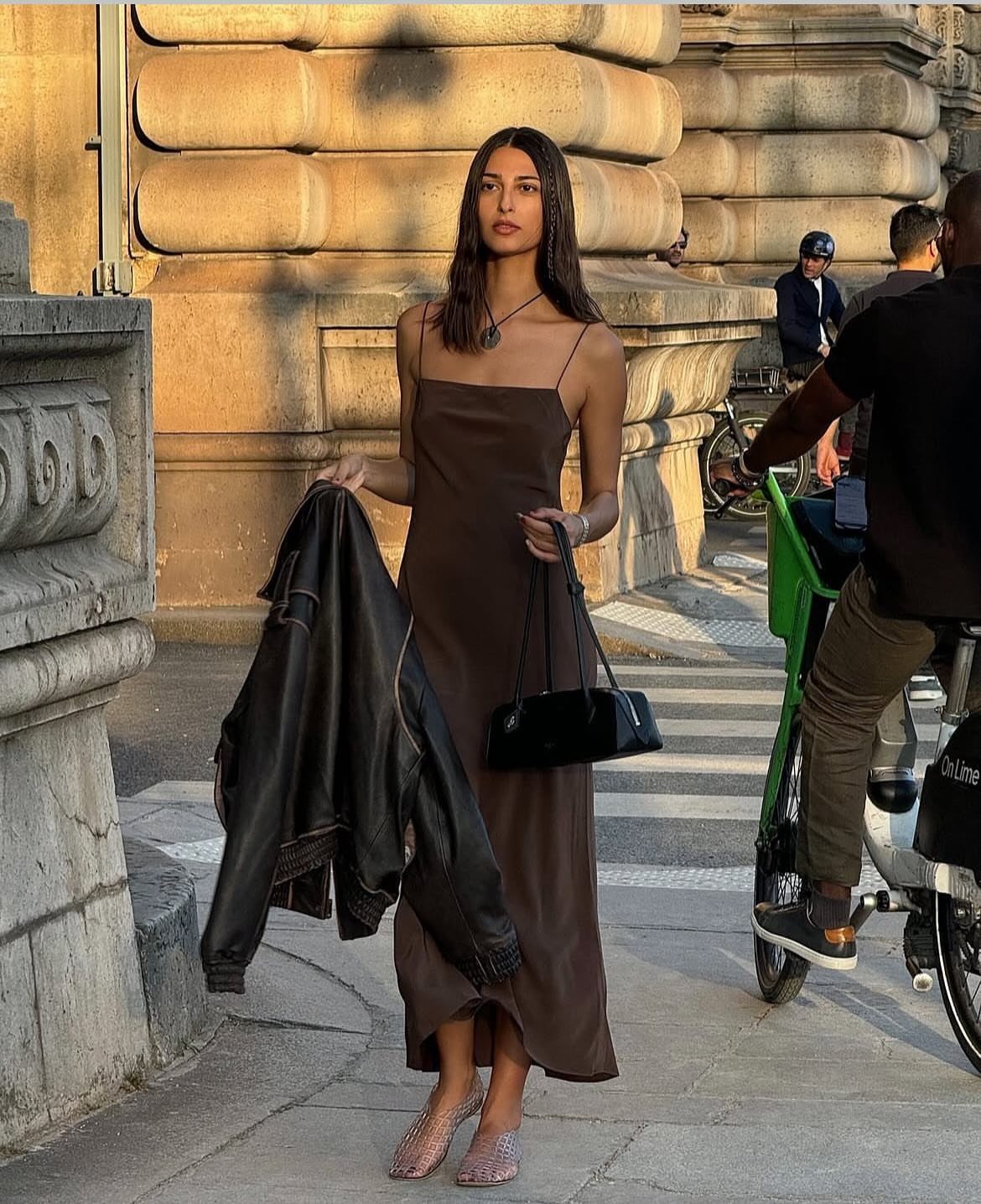
A slip dress in a warm brown satin works across more occasions than almost anything else in your closet.
A slip dress handles a leather jacket for evening, a blazer for work, or a cropped sweater for Sunday brunch without missing a step.
Fit through the bodice matters most: too loose and it reads as a nightgown, too tight and you lose that easy drape that makes it feel modern.
Mine hits at the ankle, which means ballet flats in early fall and boots once the temperature drops.
2. Dresses Over Pants
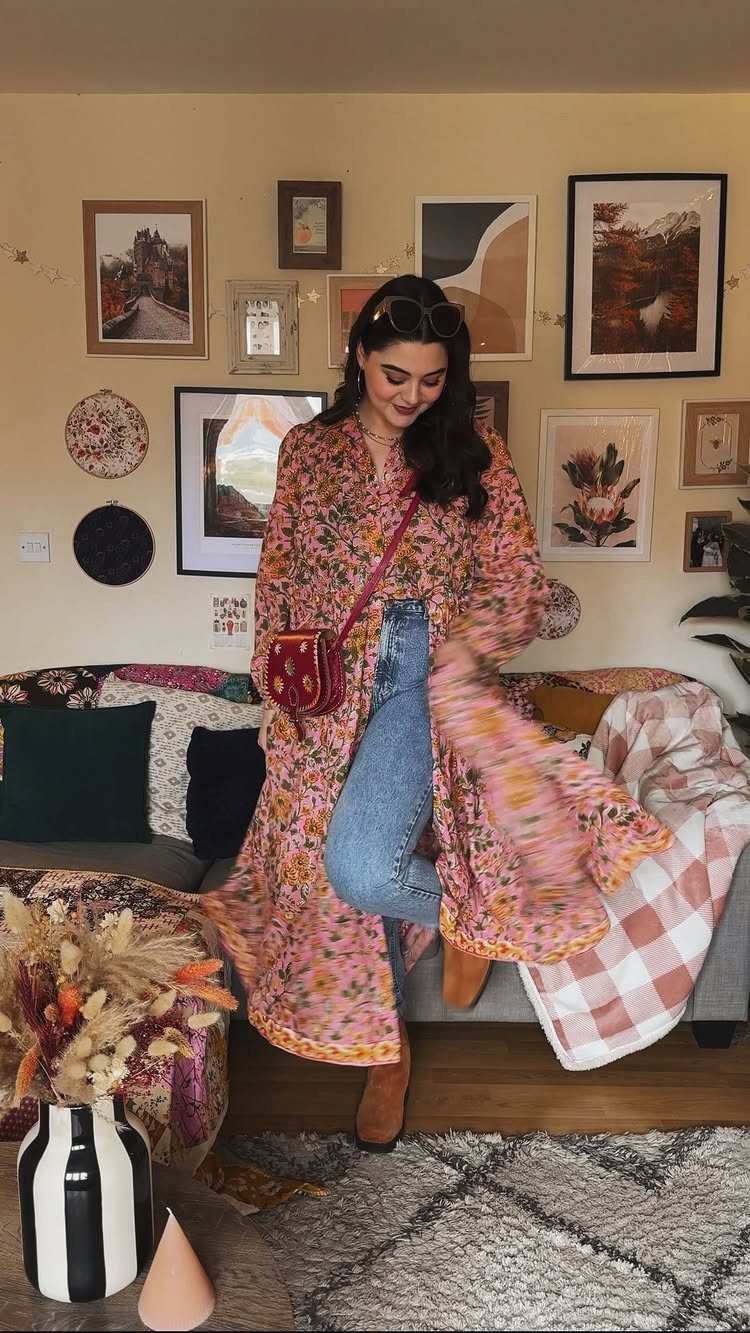
Layering a dress over pants sounds like a mistake until you see it done right.
Contrast saves this silhouette: a longer, fluid dress over slim or straight trousers keeps it from becoming a shapeless tent. A floral shirt dress works over jeans when the denim stays simple and the boots ground the whole thing.
I would skip anything too fitted on top; the dress needs to float a little to read as intentional rather than confused.
A slim crossbody bag is the one add-on that makes it feel finished rather like you got dressed in the dark.
3. Satin Blouse
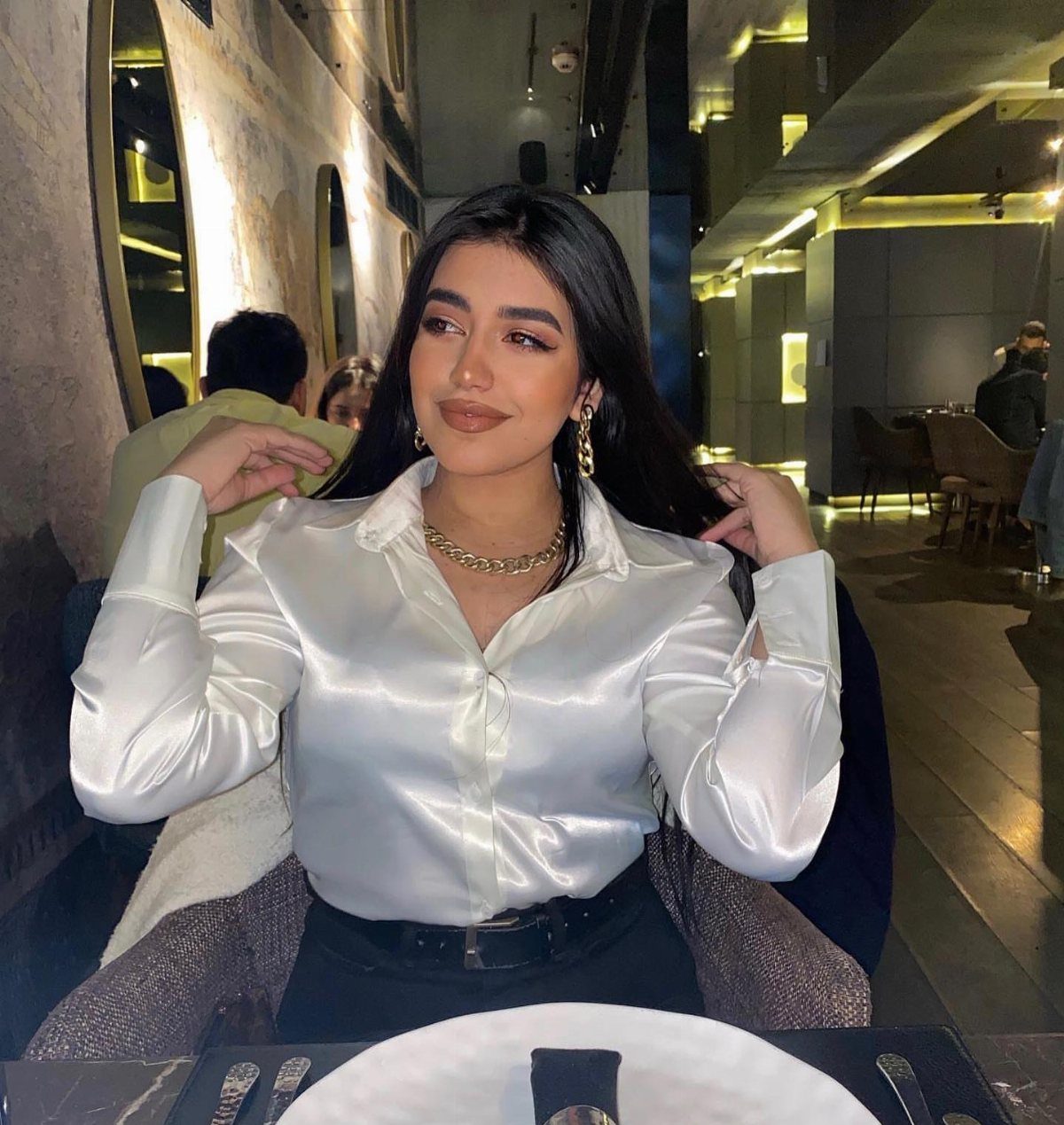
A white satin blouse catches light in a way that cotton never will, which is why it carries you from morning meetings to dinner without a change.
A classic button-front cut tucks cleanly into high-waisted trousers; that is the pairing to beat.
What I check before buying: whether the fabric has any stretch content, which keeps the shoulders comfortable when you are reaching for a coffee or a subway pole.
Quince does a version with a little give that I have worn hard for 2 seasons now.
4. Turtleneck + Wide-Leg Jeans
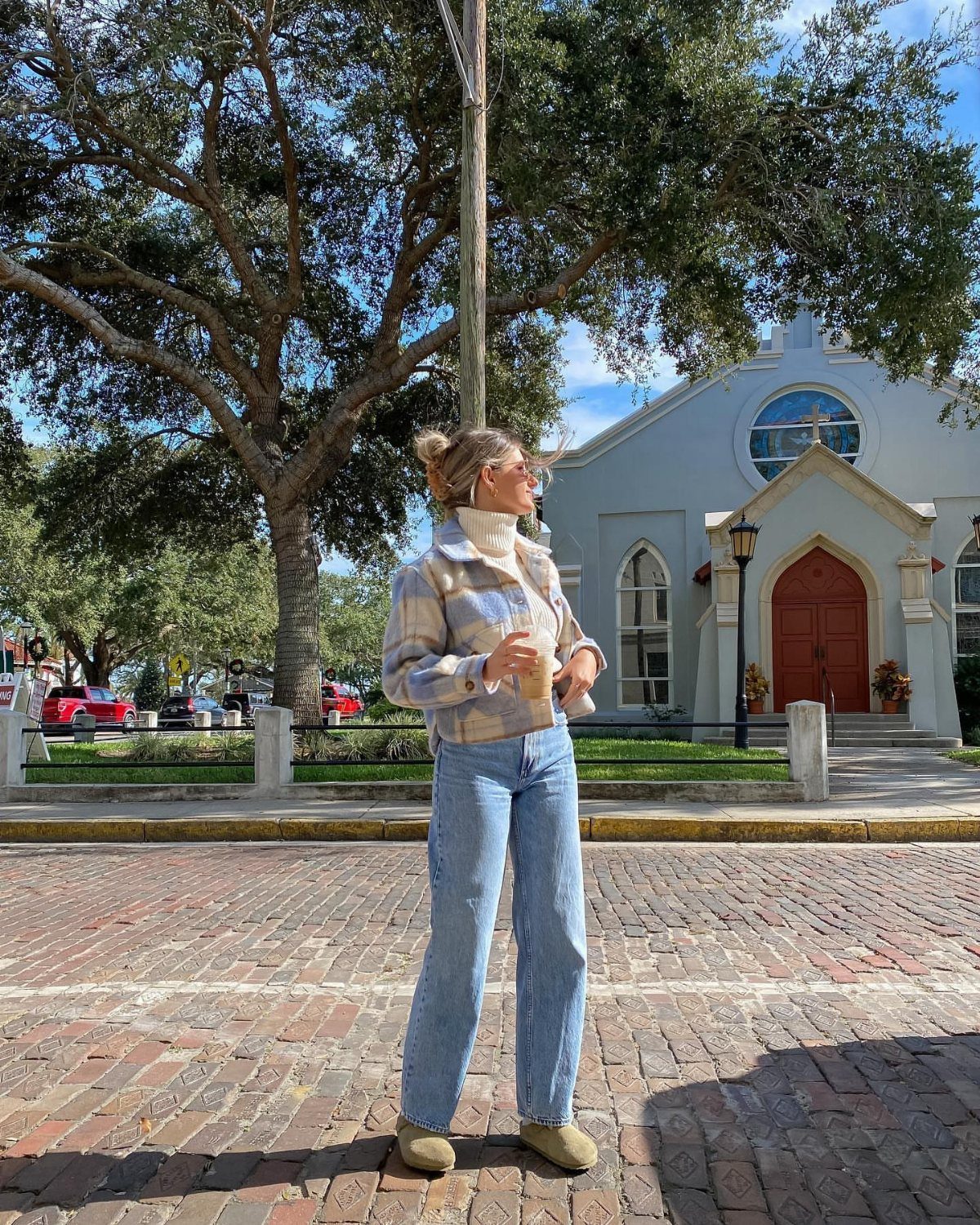
Wide-leg jeans need something fitted up top or the whole outfit becomes a walking tent. A thin turtleneck in cream or white adds a note of vintage ease that feels right for fall.
I have found the balance works best when the turtleneck is lightweight enough to tuck fully; anything bulky at the waist ruins the line that makes this pairing look considered.
A plaid jacket over this pairing is optional but smart: it breaks up the solid blocks of color and gives you somewhere to put your hands.
5. Chunky Loafers
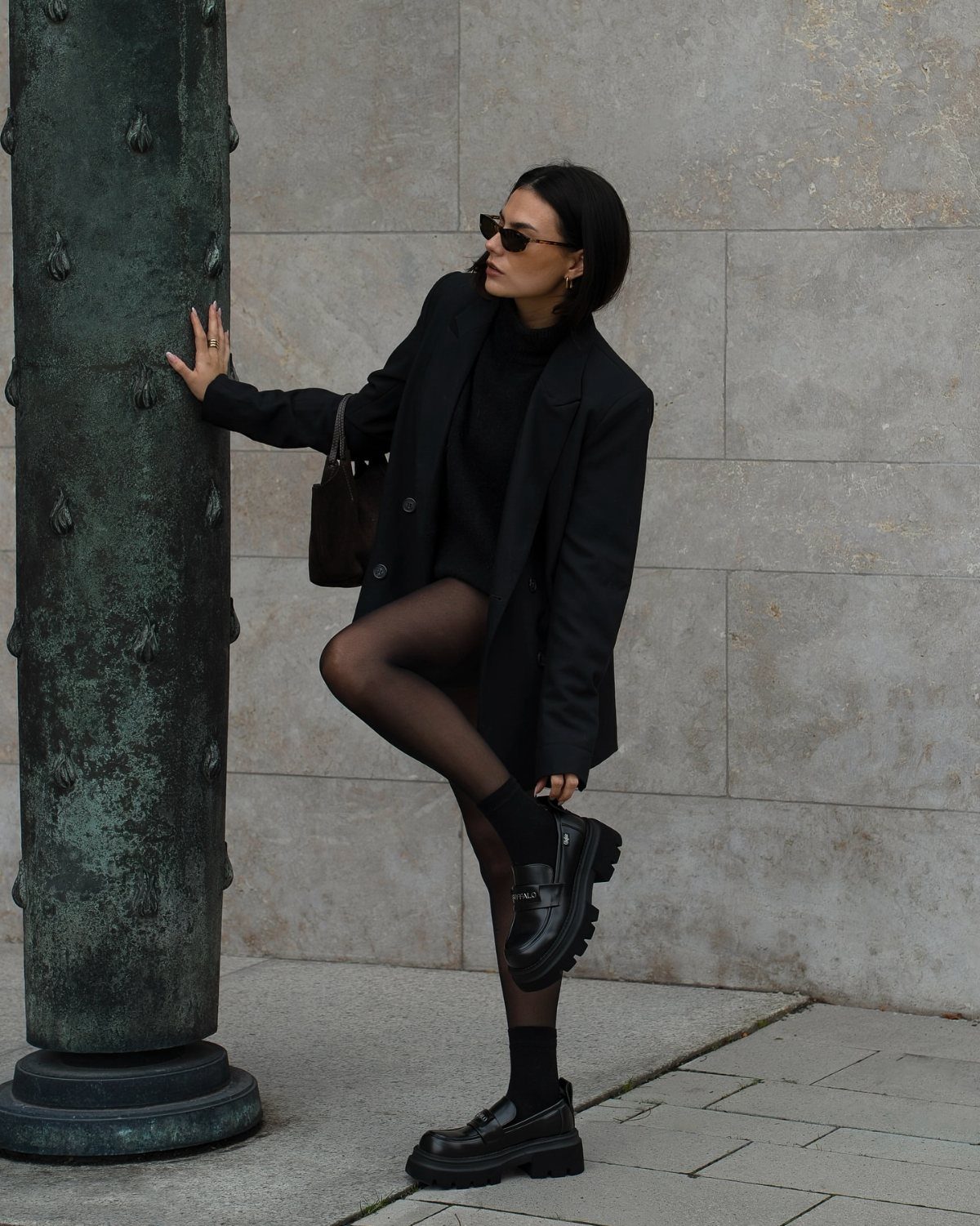
Thick-soled loafers have become the default shoe for almost every outfit I put together once the leaves turn.
A black platform pair works with sheer tights and a mini skirt, but the same shoe handles wide-leg trousers or a long coat with equal ease.
What I watch for: the weight of the sole relative to the rest of the outfit.
A heavy lug sole needs something with some presence on top, a blazer or a substantial sweater, or the shoe starts to look like it is wearing you.
Citizens of Humanity and H&M both have versions with the right proportions this season.
6. Sweater Weather Essentials
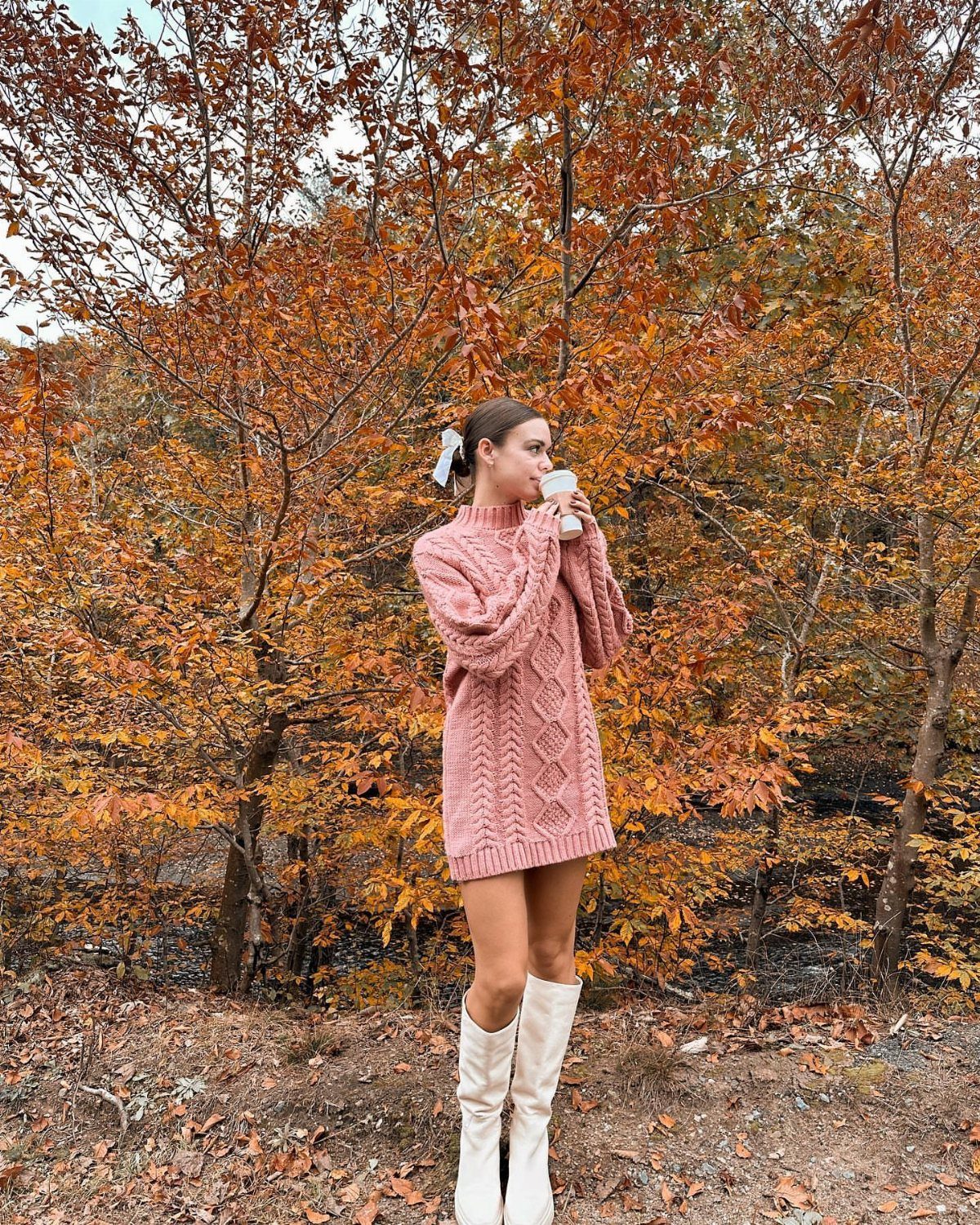
A cable-knit in a soft pink, worn as a dress with boots that hit just below the knee, is the kind of outfit that solves the what-do-I-wear problem in one grab.
The oversized fit matters: it needs to read as intentional, not as if you borrowed someone else’s clothes. I look for cotton or a cotton blend for early fall; save the thick wool for January.
Cream boots are a specific choice that keeps the whole thing from feeling too heavy. A paper coffee cup helps, but that part is optional.
The best fall outfits have a little bit of everything—mini skirts, long coats, fuzzy sweaters, and lace dresses. It’s the only time of year when your legs can show skin while your neck is wrapped in a scarf.
— Elle
7. Cozy Textures
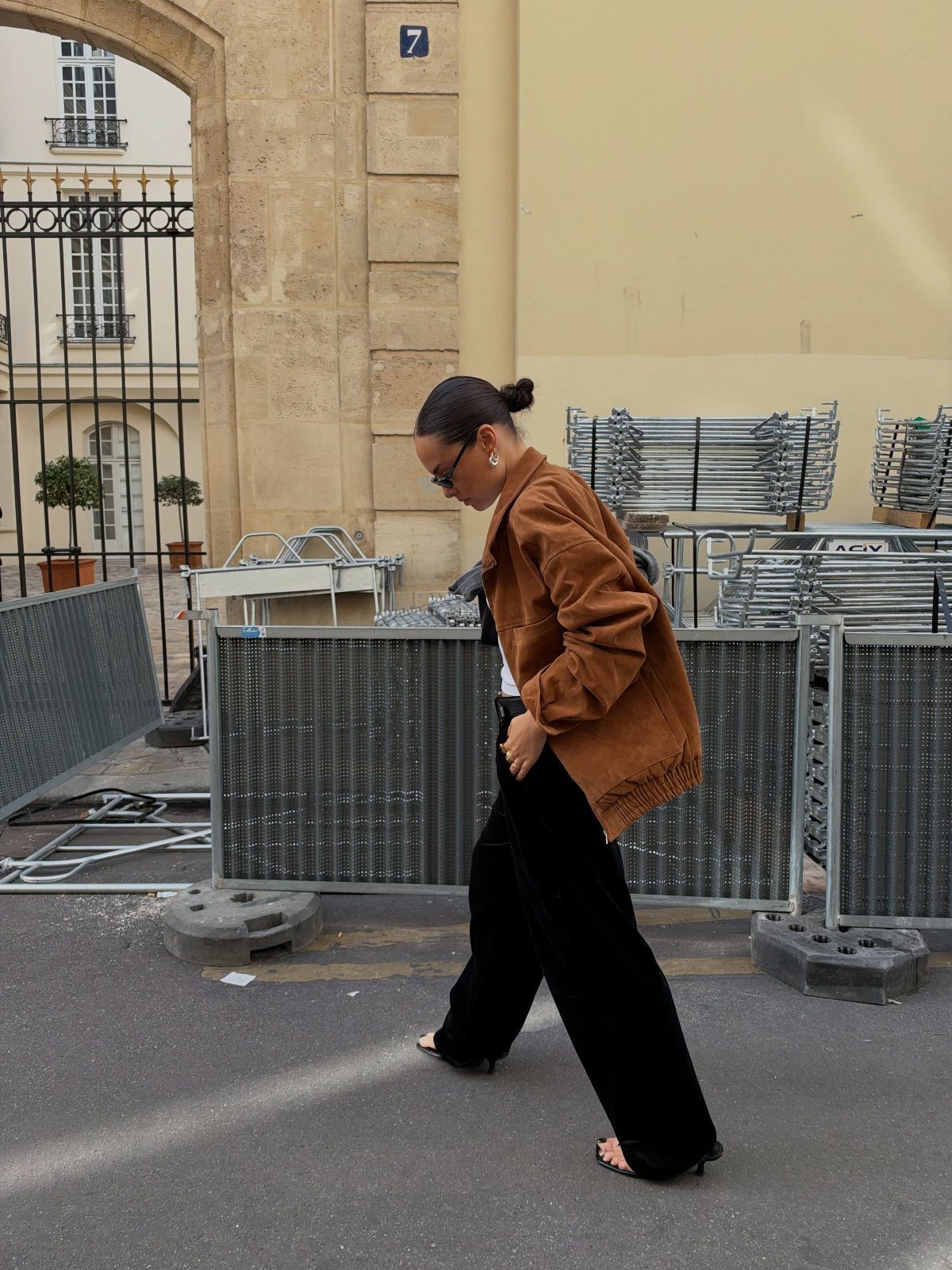
Texture does more than color to signal fall. A brown suede jacket against black trousers creates depth without relying on pattern, and the contrast of matte against smooth keeps the outfit from feeling flat.
Wool, cashmere, and corduroy each carry light differently, so mixing them builds interest even in a one-tone look.
I check the weight before buying: a heavy wool jacket needs something lighter underneath or the whole thing turns rigid. The suede here is the right middle ground, substantial enough for October but soft enough to move in.
8. Barn Jacket
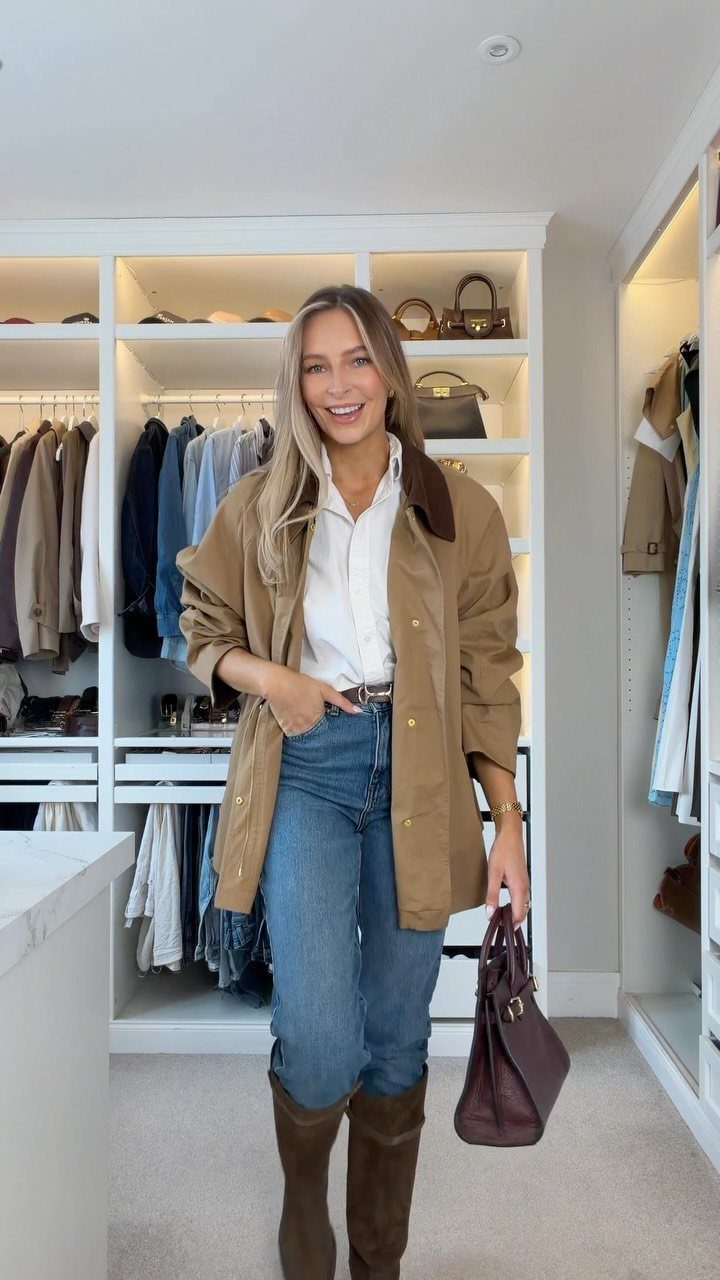
The barn jacket has settled into the role the utility coat used to hold: practical, slightly rural, and currently everywhere. A tan version over a white button-down and blue jeans is the standard to beat.
What I watch for is proportion. A mid-hip jacket works with tall boots to stretch the line of the leg; anything shorter starts to look like a dated mistake.
The collar should stand up a little, enough to frame the face without looking like you are preparing for a nor’easter. A burgundy bag is the one addition that keeps the whole thing from reading as costume.
9. Plaid Statement Coat
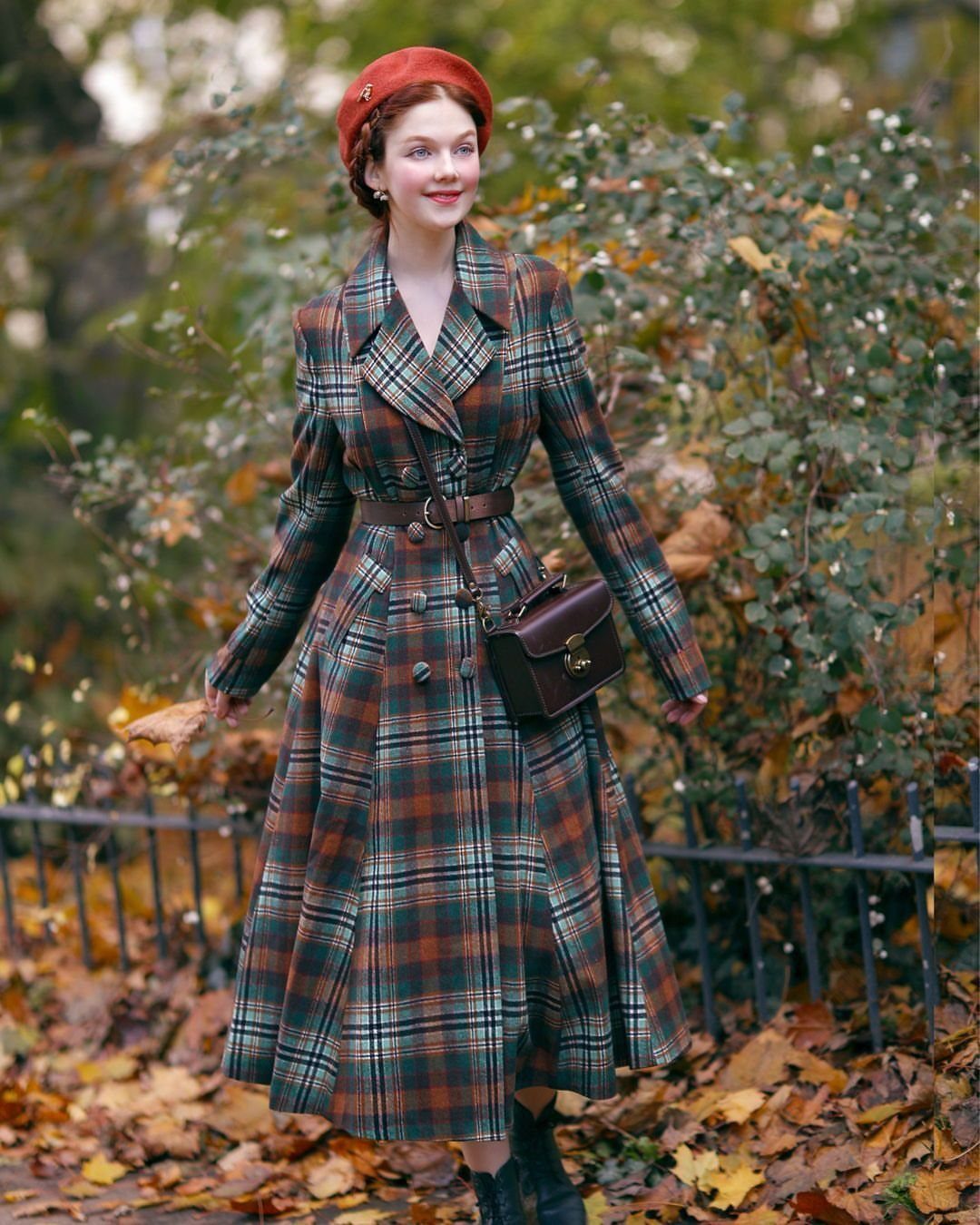
A full-skirted plaid coat in green and brown is the kind of piece that does the styling for you. The belt defines the waist, the volume below handles tights and boots, and the pattern removes any need for jewelry.
The red beret here is a specific choice: it picks up the warm tones in the plaid without matching exactly, and it sits far enough back on the head to avoid looking like a costume.
I would check the skirt volume before buying; too much and you are wearing a tent, too little and the coat loses its vintage reference.
10. Oversized Blazer
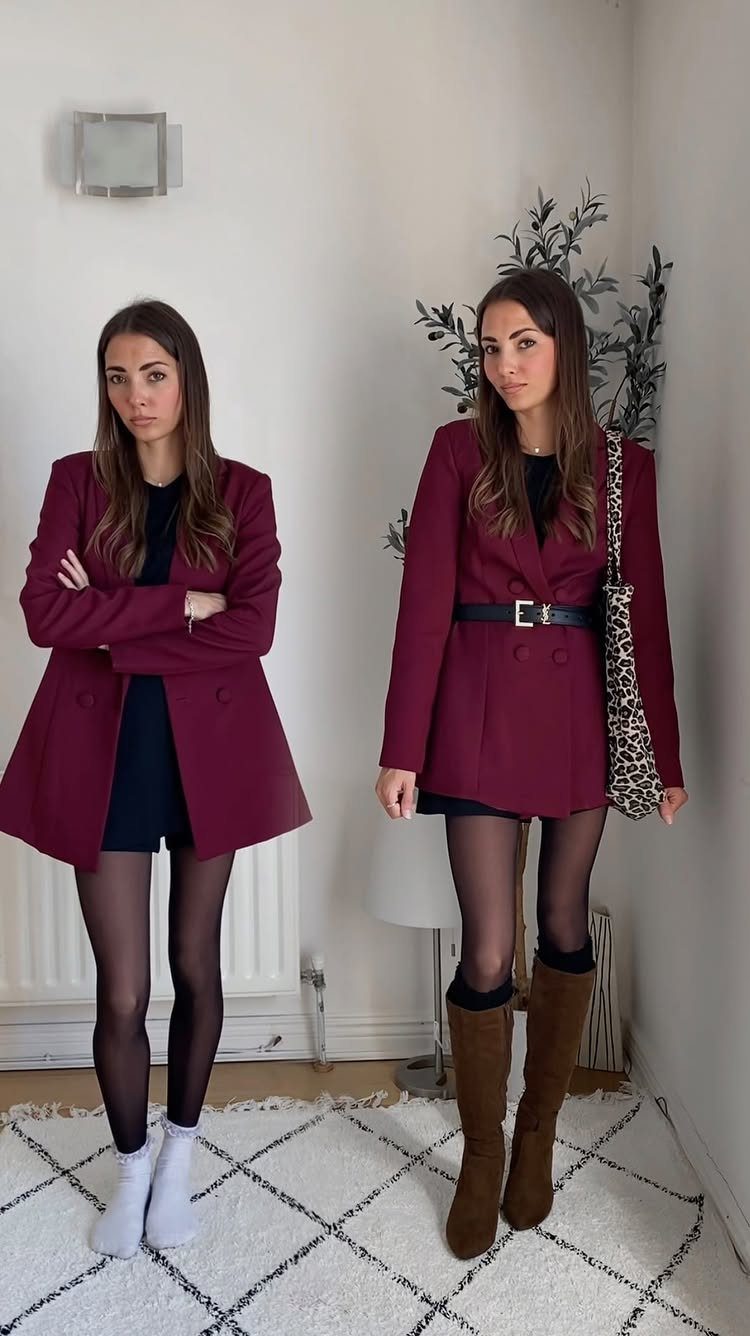
An oversized blazer in burgundy carries more weight than black or navy, which means it needs something light or short below to keep from swallowing you.
The sheer tights and shorts here do exactly that: they create a gap between the heavy top and the heavy boots that lets the outfit breathe.
I look for a blazer that covers the seat but does not pass mid-thigh; beyond that, the silhouette shifts from intentional to lost. A belt over the blazer is one way to add shape without sacrificing the borrowed-from-him fit.
11. Cardigan and Mini Skirt
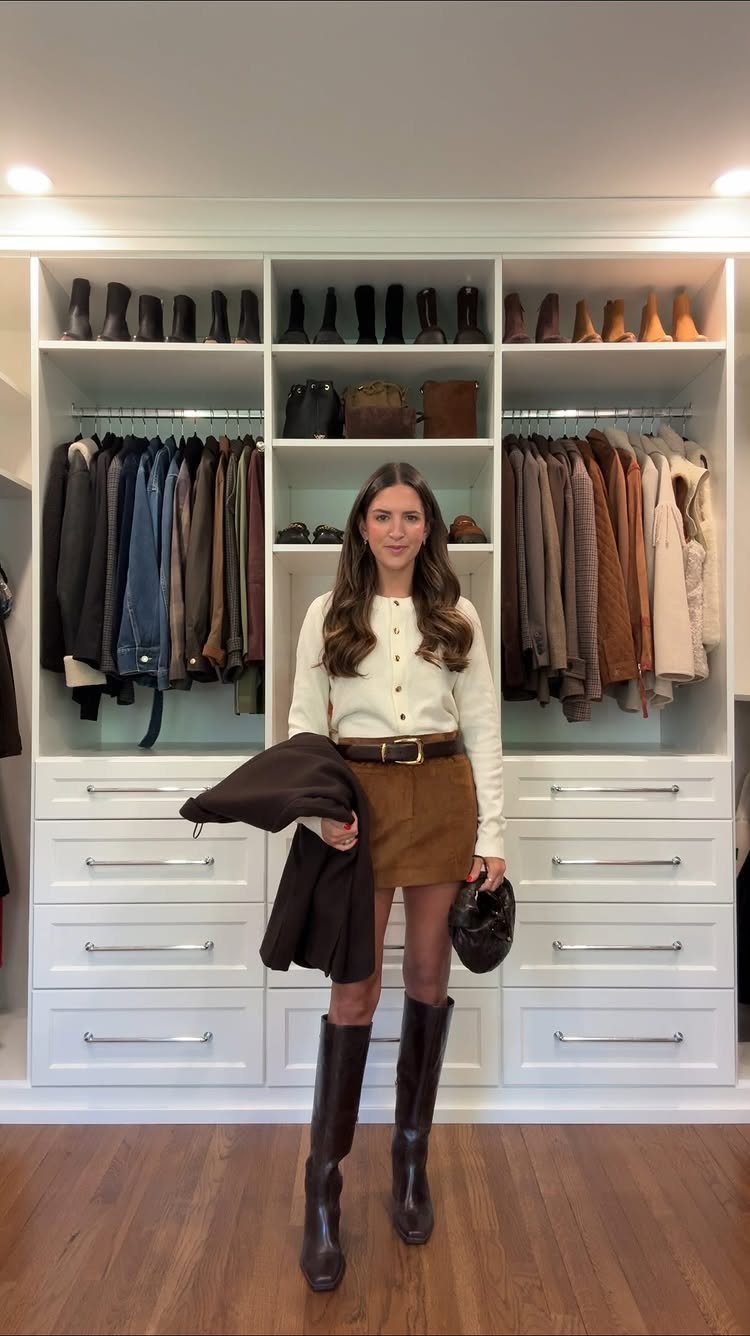
A cream cardigan worn as a top with a brown mini skirt and knee-high boots is the kind of outfit that looks assembled but feels like loungewear.
I would check the boot shaft height against your own knee. The boots here hit just below, which elongates the leg; anything that cuts directly across the widest point does the opposite.
A thin belt in a tone close to the skirt keeps the waist defined without adding another color to manage.
12. Oversized Blanket Scarf
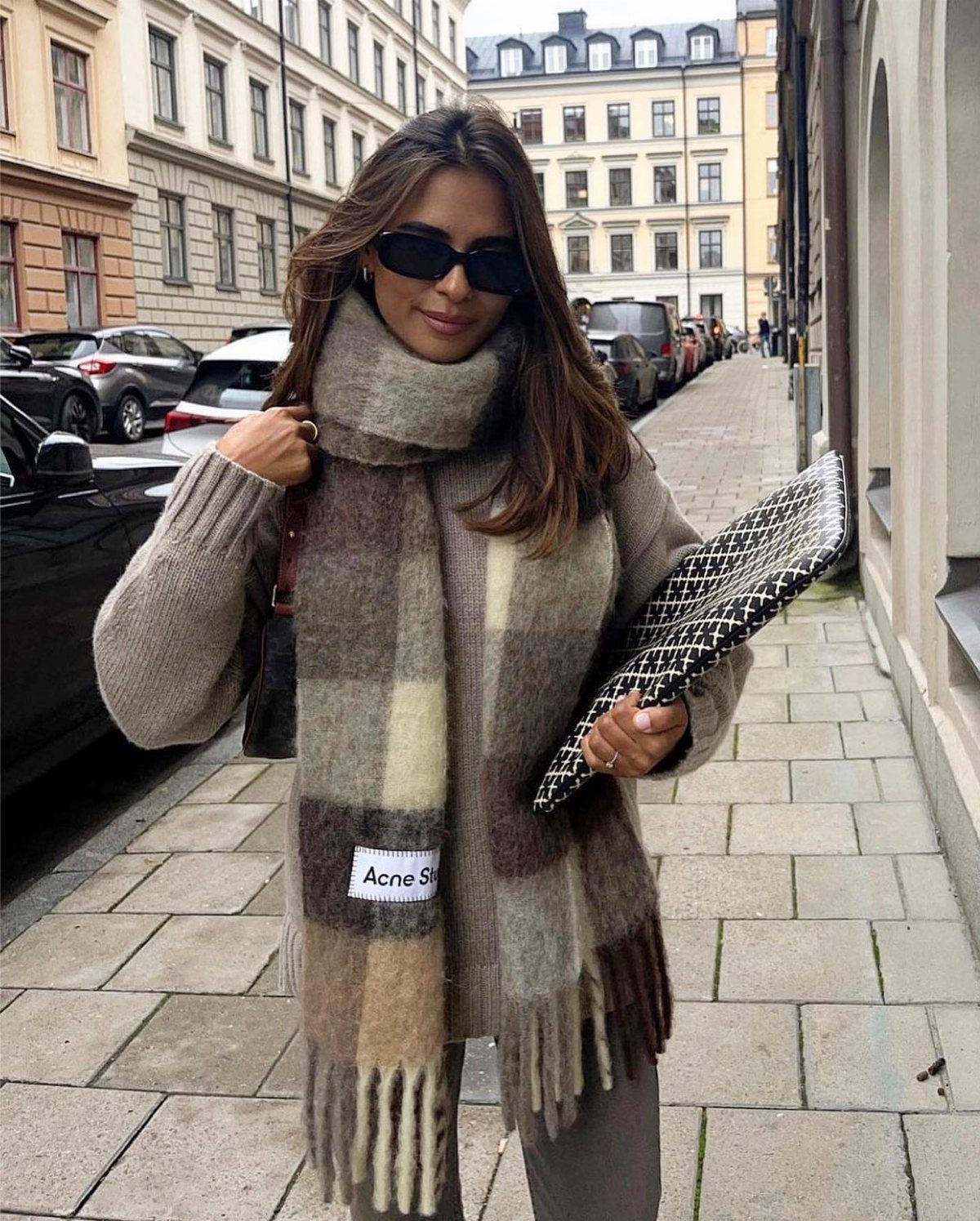
A blanket scarf large enough to double as a shawl is the one accessory that can replace a coat on mild October days.
What I check before buying is the drape.
A stiff scarf sits like cardboard; a soft one, as this appears to be, wraps and falls where you put it. The Acne Studios tag is visible, but the look works at any price point.
I would keep the rest of the outfit quiet: a solid sweater, dark trousers, and let the scarf carry the pattern. A silk square is the lighter alternative for days when wool feels like too much.
13. Cropped Jacket and Trousers
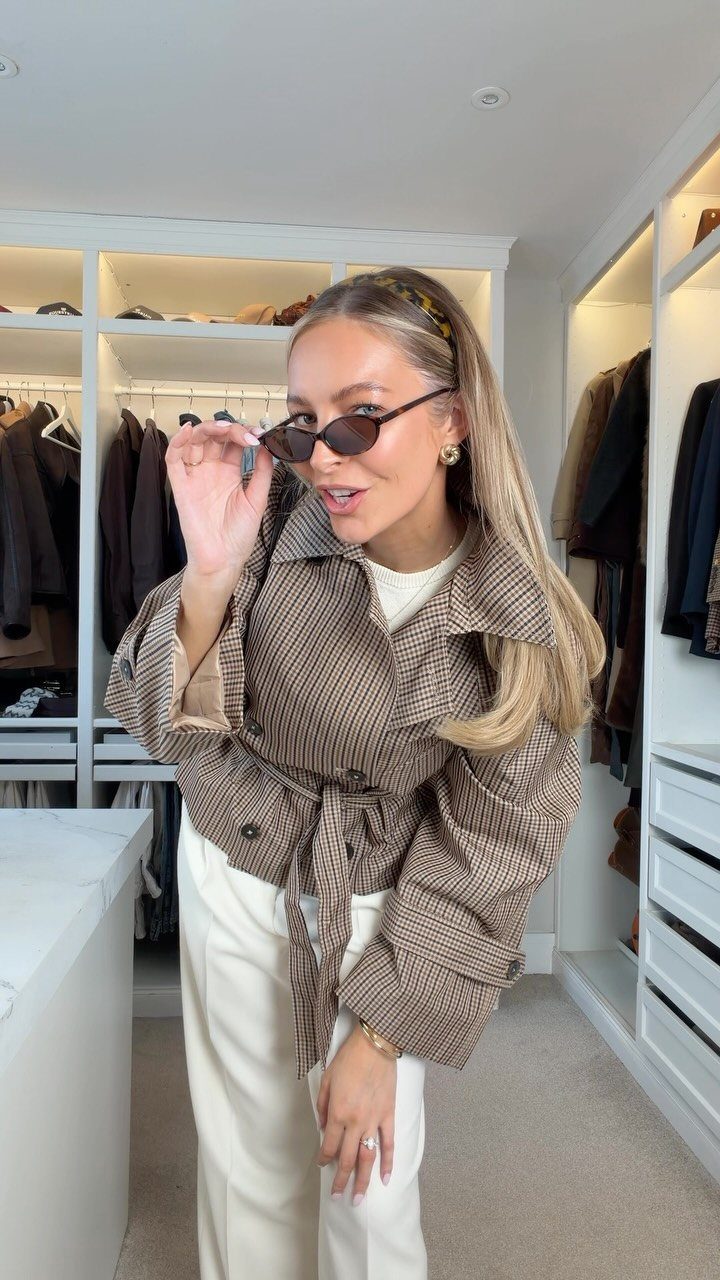
A cropped jacket in brown houndstooth hits at exactly the right point to wear with high-waisted trousers without exposing skin.
The belted waist keeps the shape defined; without it, the boxiness can read as accidental. Cream trousers underneath keep the palette warm and let the pattern do the work.
The two need to meet cleanly; a gap of even an inch changes the outfit from polished to unfinished. Tortoiseshell accessories, a headband or small frames, pick up the vintage tone without pushing into costume.
14. Long-Sleeve Shirt Dress
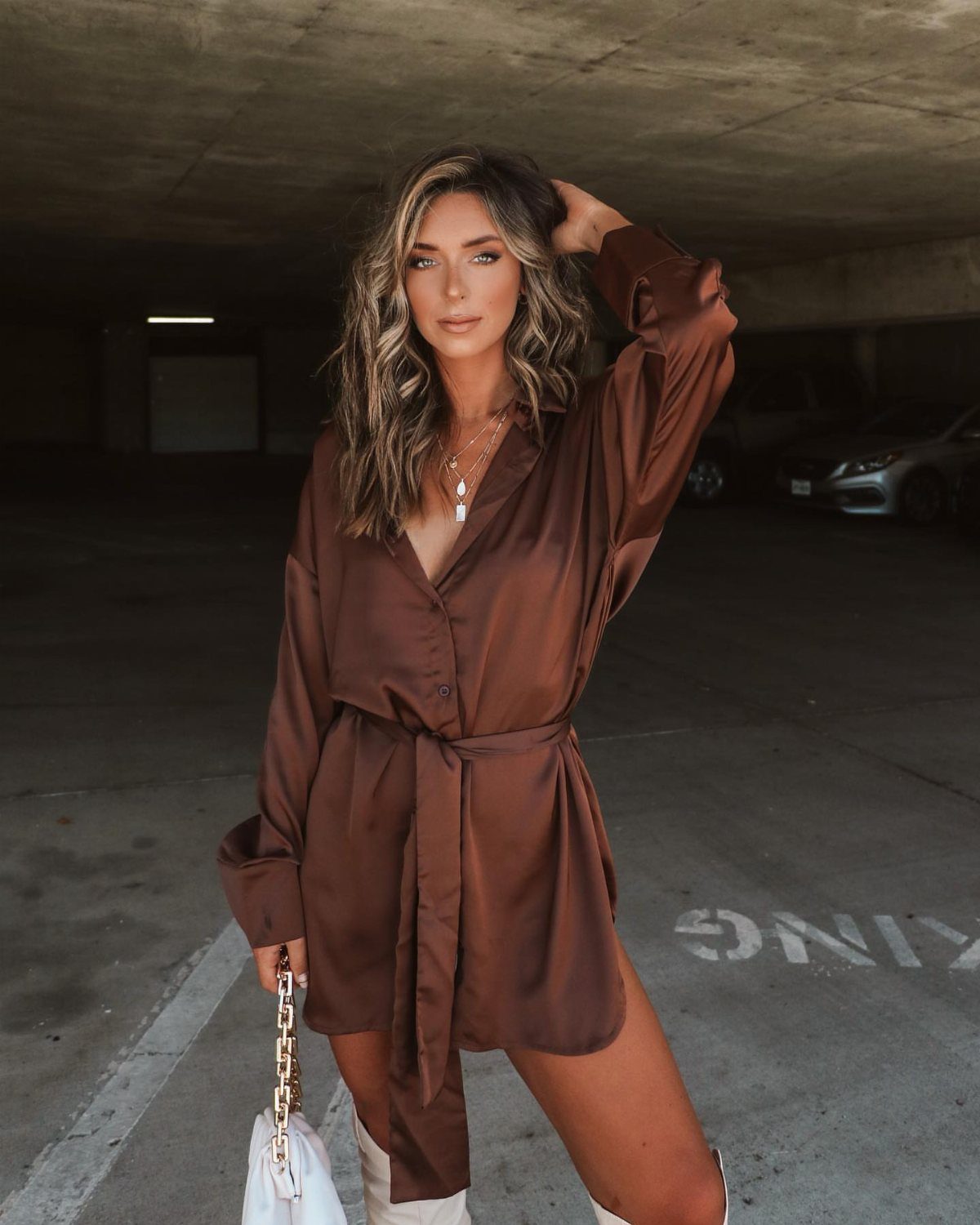
Satin in a shirt dress cut reads as evening when it hangs loose, but tie it at the waist and it becomes something you can wear to a meeting.
The long sleeves handle October temperatures without a coat; the self-belt is the detail that saves it from looking like you forgot to get dressed.
What I check: whether the fabric has enough weight to hold the knot without slipping.
Lightweight satin collapses into a messy bunch; a heavier drape stays where you put it. A structured white bag, something with a chain strap, gives the outfit a point of contrast that keeps the brown from feeling too soft.
15. Tailored Vest and Wide-Leg Jeans
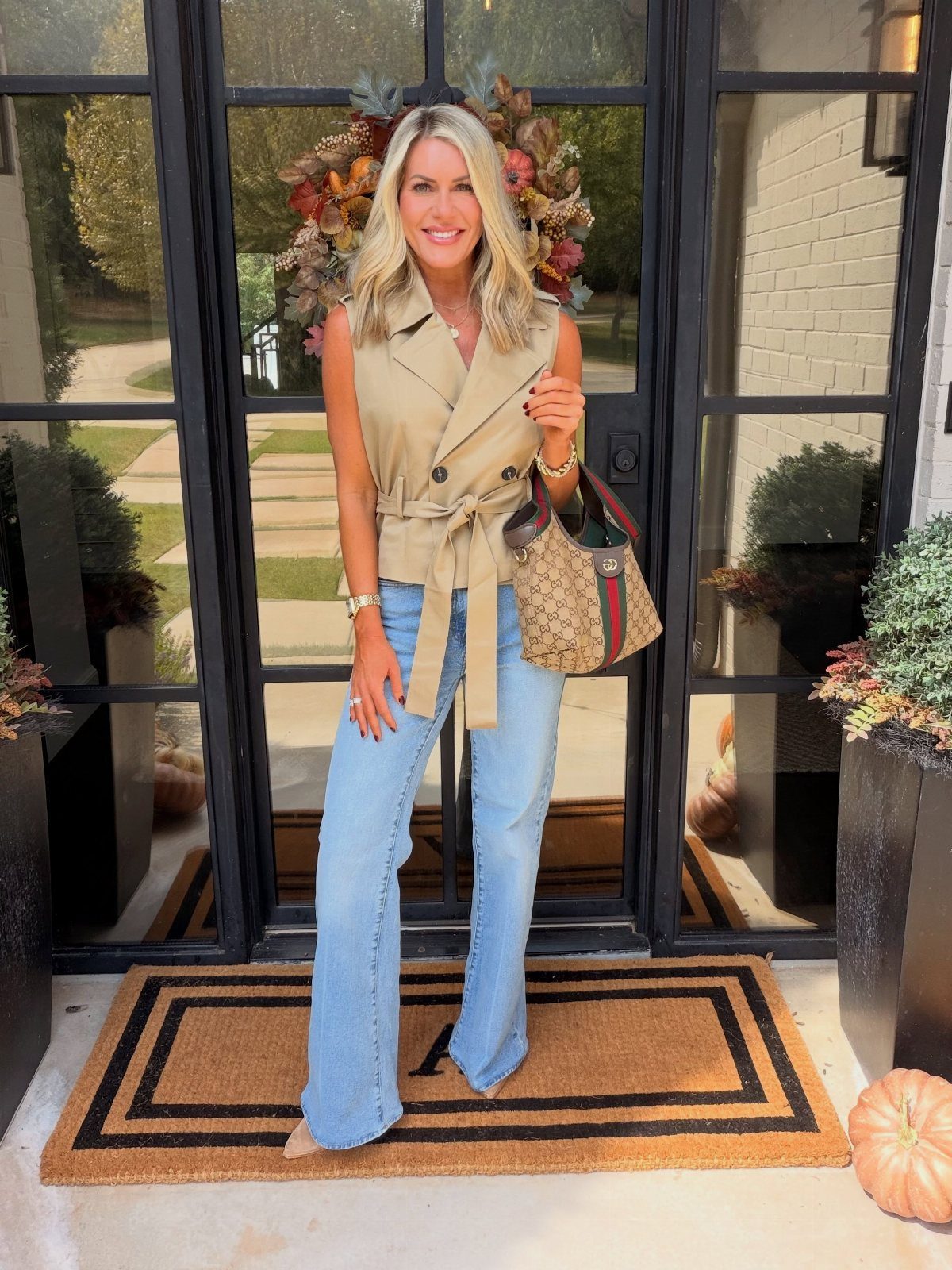
A sleeveless trench vest with a waist tie gives you the line of a blazer without the bulk, which matters on days that swing between warm and cool.
Light-wash wide-leg jeans underneath keep the whole thing from feeling too office-bound; the contrast in formality is what makes it work for Saturday.
The tie needs to sit at your natural waist, not below it.
Too low and the vest becomes a shapeless layer; too high and it cuts you in half. I would carry something with structure, a monogram bag or a clean leather satchel, to match the vest’s tailored bones.
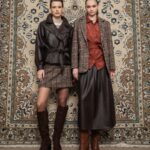
16. Turtleneck and Plaid Pleated Skirt
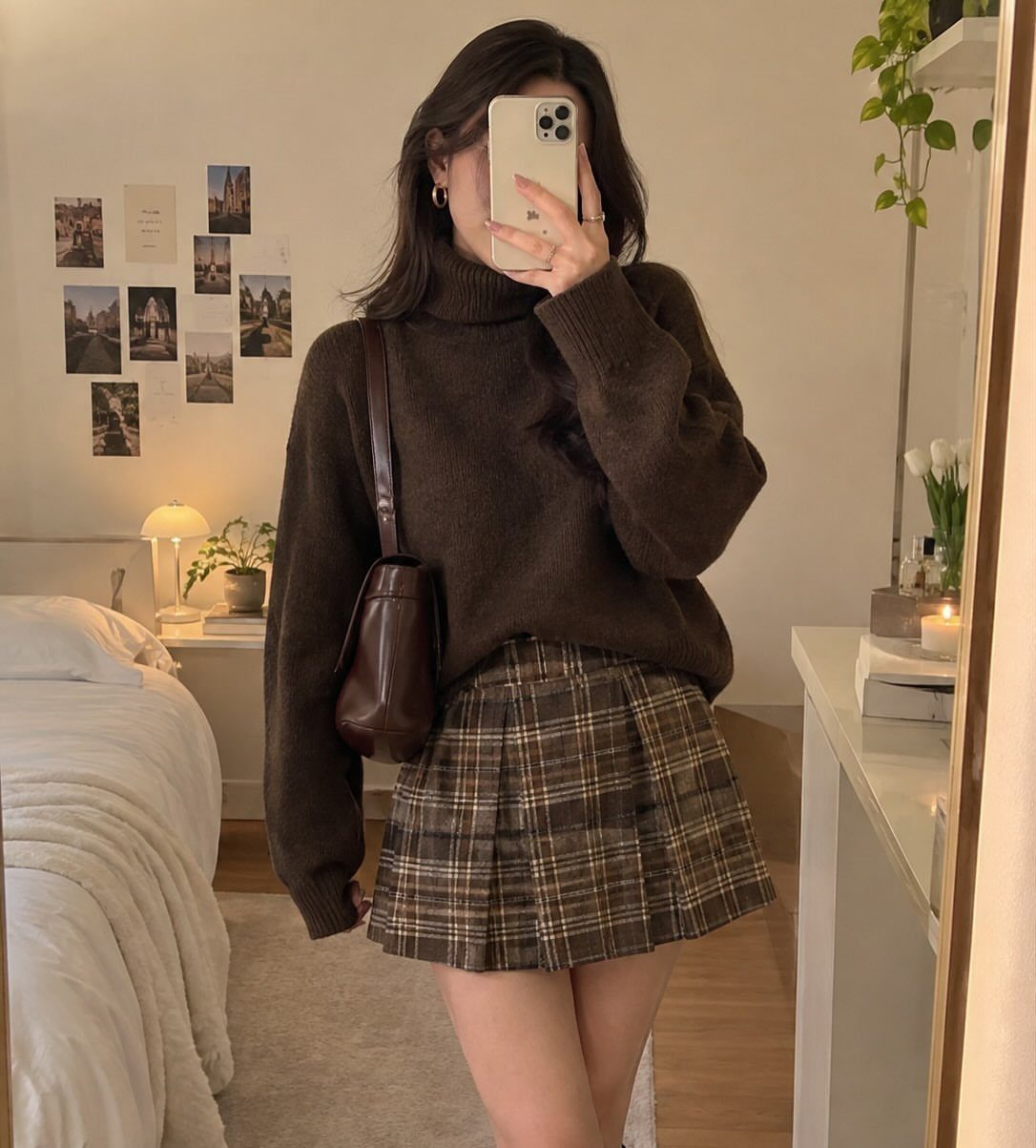
A brown turtleneck and plaid skirt in matching tones solves the color-matching problem by eliminating it.
The pleats need to fall cleanly from the hip; I check this in a mirror with my hands at my sides, because pleats that flare from the waist add volume where most of us do not want it.
The mini length here works with a flat boot or a low heel; anything higher starts to read as going out rather than going about your day.
A brown leather bag in a tone close to the sweater keeps the eye moving up and down rather than breaking the line.
17. Monochromatic Brown Layers with Midi Skirt
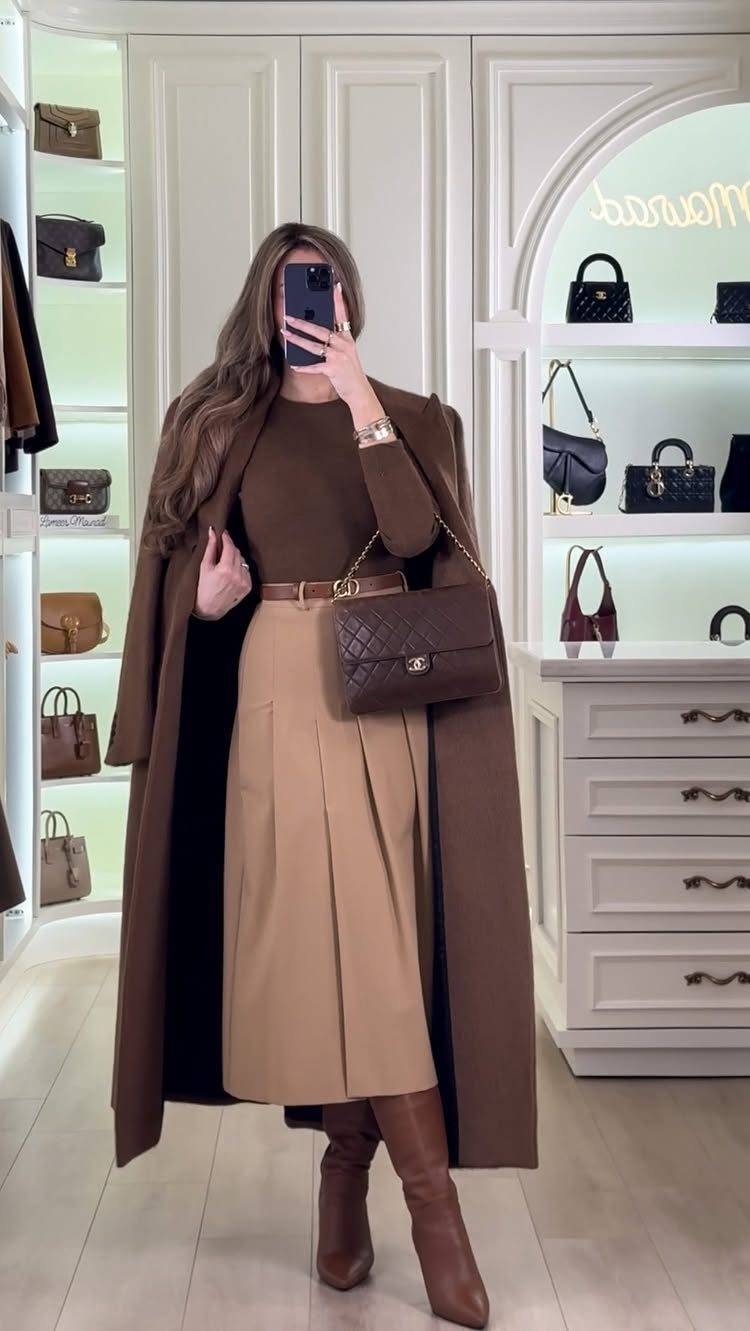
Layering brown on brown only works when the shades differ enough to read as intentional.
A long coat in chocolate, a knit in a softer tone, and a tan pleated midi underneath gives the eye 3 places to rest. The belt at the waist is what keeps you from disappearing into a single column.
Tall boots in a shade that talks to the coat stretch the leg line; anything ankle-height would chop it.
I would check the skirt length against the boot shaft: a gap of skin or tights between the 2 is fine, but the proportions need to feel chosen, not accidental.
18. High-Collar Wool Peacoat
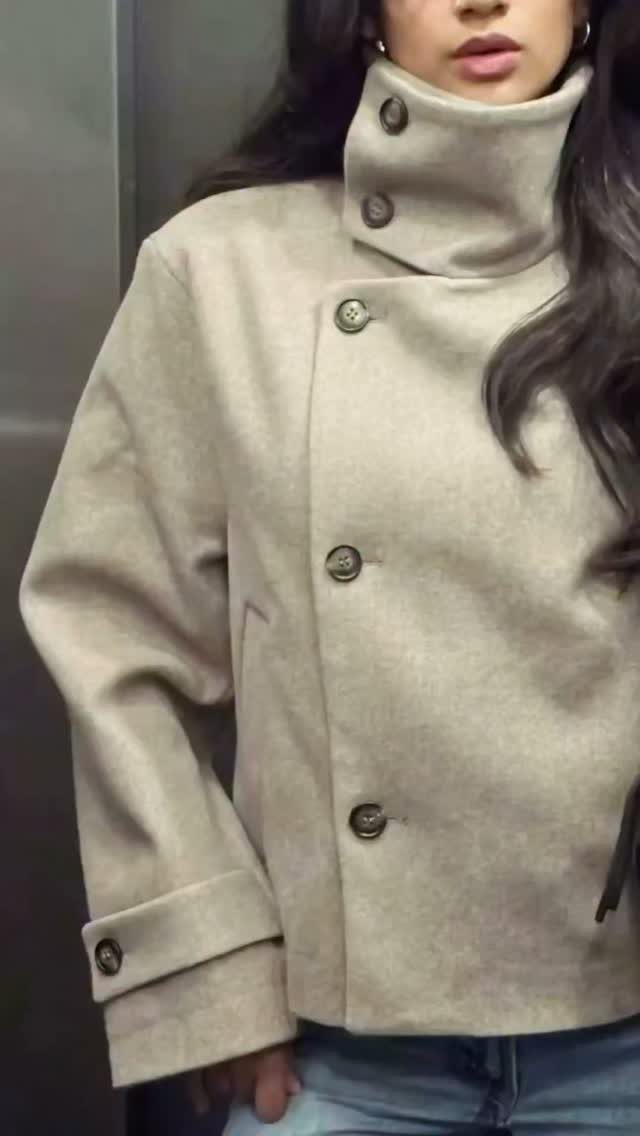
A high collar on a peacoat does the work of a scarf, which is one less thing to lose.
The large buttons here are a detail that reads from a distance; smaller ones would make the coat feel generic. Blue jeans underneath keep it from feeling like you are trying too hard.
I would try this on with your hair the way you usually wear it; a high collar and a high ponytail fight for the same space.
The structured cut means you can wear a thin knit or even a tee beneath without looking underdressed.
19. Baggy V-Waist Denim Shorts
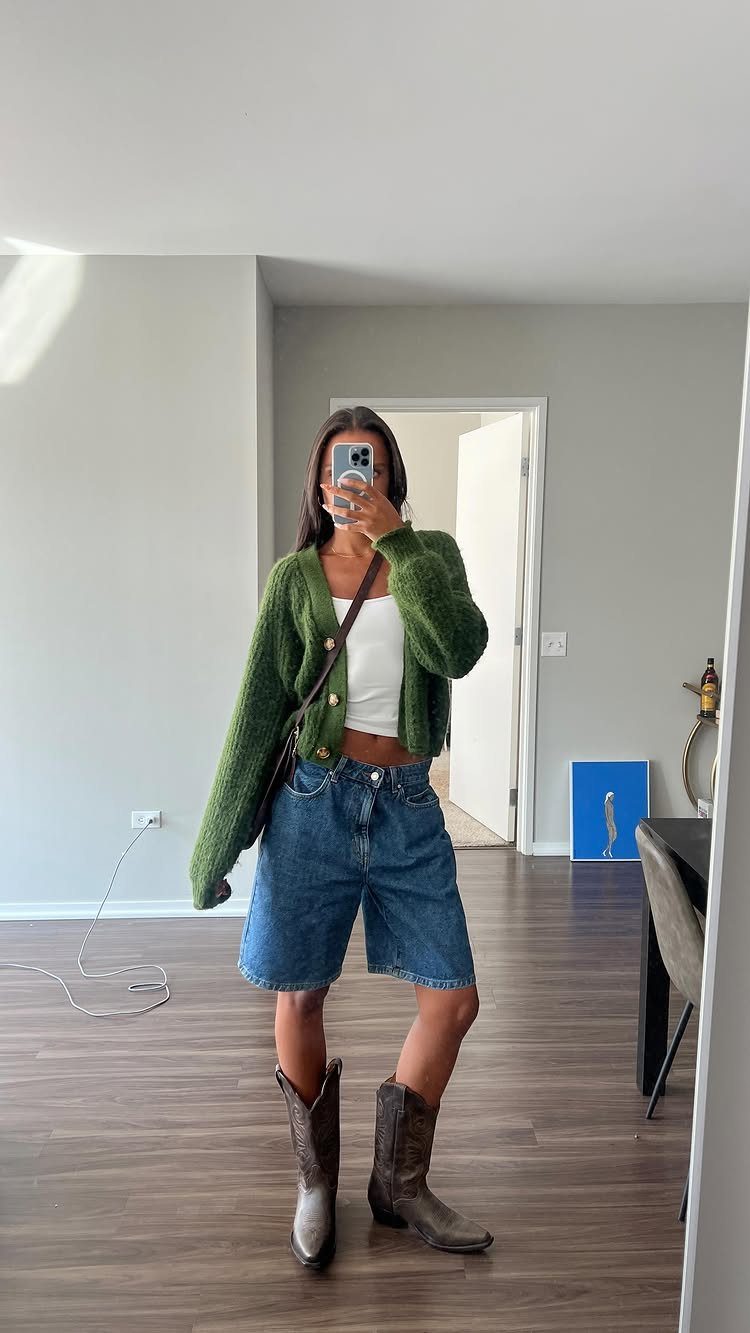
A V-waist short sits lower on the hip and angles up at the center, which changes where the eye lands compared to a standard rise. The effect is a longer leg line without needing heels.
For fall, this length needs boots, not sandals: a cowboy boot or a lug-sole Chelsea adds the weight the shorts require to feel seasonal rather than leftover.
The olive cardigan here is the right call, a tone that bridges summer denim and autumn layering.
I would check the rise against your own torso.
The V needs to hit at a flattering point, not so low that it creates a gap with your top. A cropped layer underneath keeps the waist visible and the proportions intentional.
Comfort and Style
The question is not whether an outfit looks good in a mirror, but whether it holds up when you are carrying groceries, sitting through a meeting, or chasing a bus.
What separates comfortable from sloppy is fit through the bodice and waist. Too loose and the eye reads it as accidental; too tight and you lose the ease that makes an outfit wearable for hours.
The cable-knit dress works because the oversized shape is intentional, not borrowed. The turtleneck and wide-leg jeans work because the top is thin enough to tuck without bulk.
An outfit that passes all 3 earns its place in rotation.
Color Trends
Brown is the tone this fall, and it is easier to wear than the word suggests.
Chocolate, espresso, tan, and camel layer into each other without the clash risk of brighter palettes. The monochromatic brown entry above shows how 3 shades keep the eye moving; a single flat brown would read as a uniform.
Richer colors arrive through plaid and pattern rather than solid blocks. The green and brown coat, the red beret and blazer, the olive cardigan: each picks up a secondary tone that warms the whole look.
What I avoid is pairing two saturated colors at equal weight; one needs to dominate or the outfit competes with itself.
Natural materials carry brown better than synthetic ones. Cream and white turtlenecks, blouses, and cardigans give the eye a rest when everything else has gone burgundy, olive, or rust.
Versatile Pieces
The same pieces appear across multiple outfits above because they earn their keep. The long-sleeve shirt dress moves from tied at the waist to loose depending on the hour.
What makes a piece versatile is not neutrality but range. A brown houndstooth cropped jacket limits color pairing less than a solid might, and the pattern adds interest where a plain piece would need help.
I build around three categories: a shoe that handles multiple hemlines, a layer that works open or closed, and one piece with enough presence to carry an otherwise simple look.
The barn jacket, the plaid coat, the suede jacket: each does that job without demanding the rest of the outfit revolve around it.
Frequently Asked Questions
What are the best fall outfit ideas?
The best fall outfits come down to three reliable pieces: a versatile shoe, a layer you can wear open or closed, and one item with enough weight to make the rest feel intentional.
A warm brown satin slip dress shifts from evening with a leather jacket to brunch with a cropped sweater pulled over the top.
One cable-knit sweater, long enough to wear as a dress, plus cream boots, and the getting-dressed problem is solved in a single reach.
What are the fall fashion trends?
Brown runs the season, from chocolate and espresso through tan and camel, layered so the shades vary enough to look chosen rather than matched by accident.
Oversized shapes remain central: the oversized blazer, the cable-knit sweater dress, the wide-leg jean. Plaid shows up in statement cuts like a full-skirted coat in green and brown, where the pattern is jewelry enough on its own.