Winter work outfits can run from a turtleneck layered under a blazer to a structured leather tote that costs more than a month of lunches, and the deciding factor is what your office actually enforces after you clear the door.
The 9 ideas below sort by how much structure your day demands.
1. Oversized Blazer
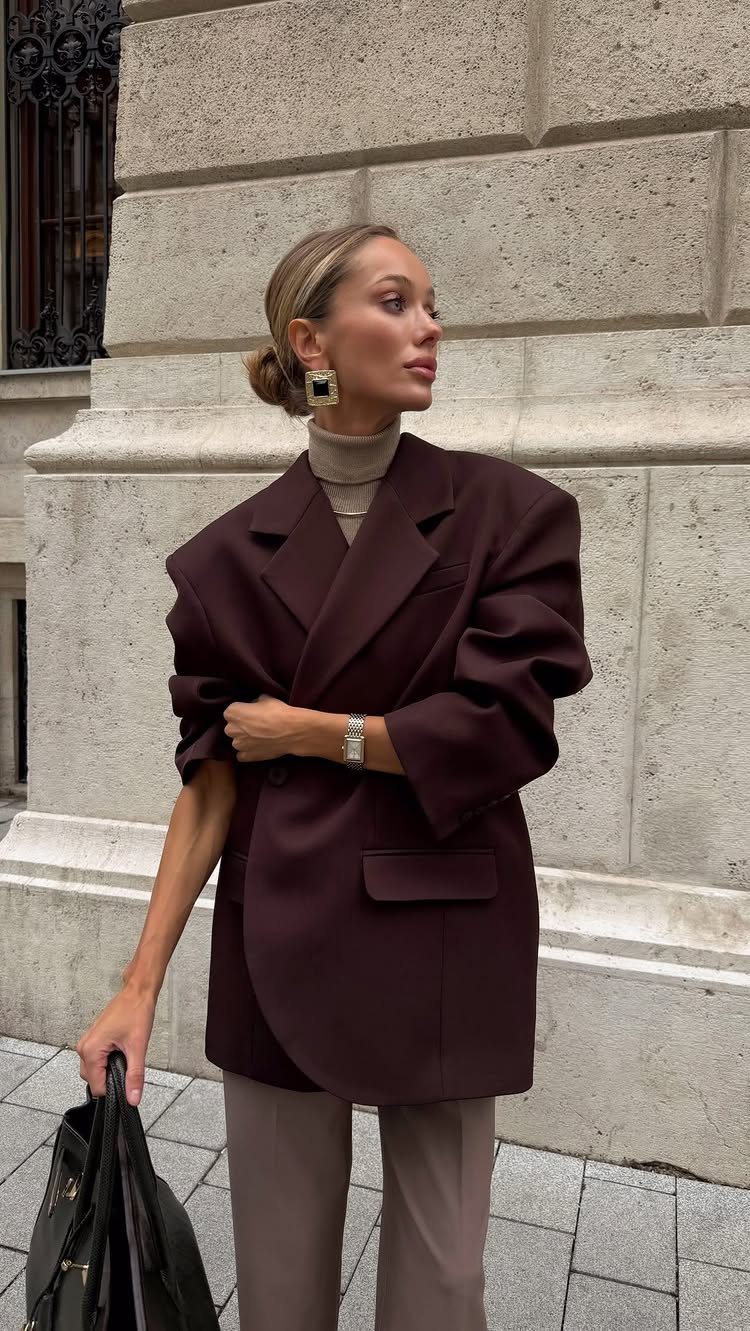
An oversized blazer buys you room for a thick knit underneath without looking bulky, something a fitted cut can’t manage.
I like the ones that were designed oversized from the start; the shoulders sit right and the length hits where it should.
A dark brown or burgundy blazer over a beige turtleneck with matching trousers keeps the volume from overwhelming your frame.
If you are buying one, check that the armholes are cut lower and the button stance sits relaxed; a blazer you sized up yourself will gap and pull.
2. Pleated Midi Skirt
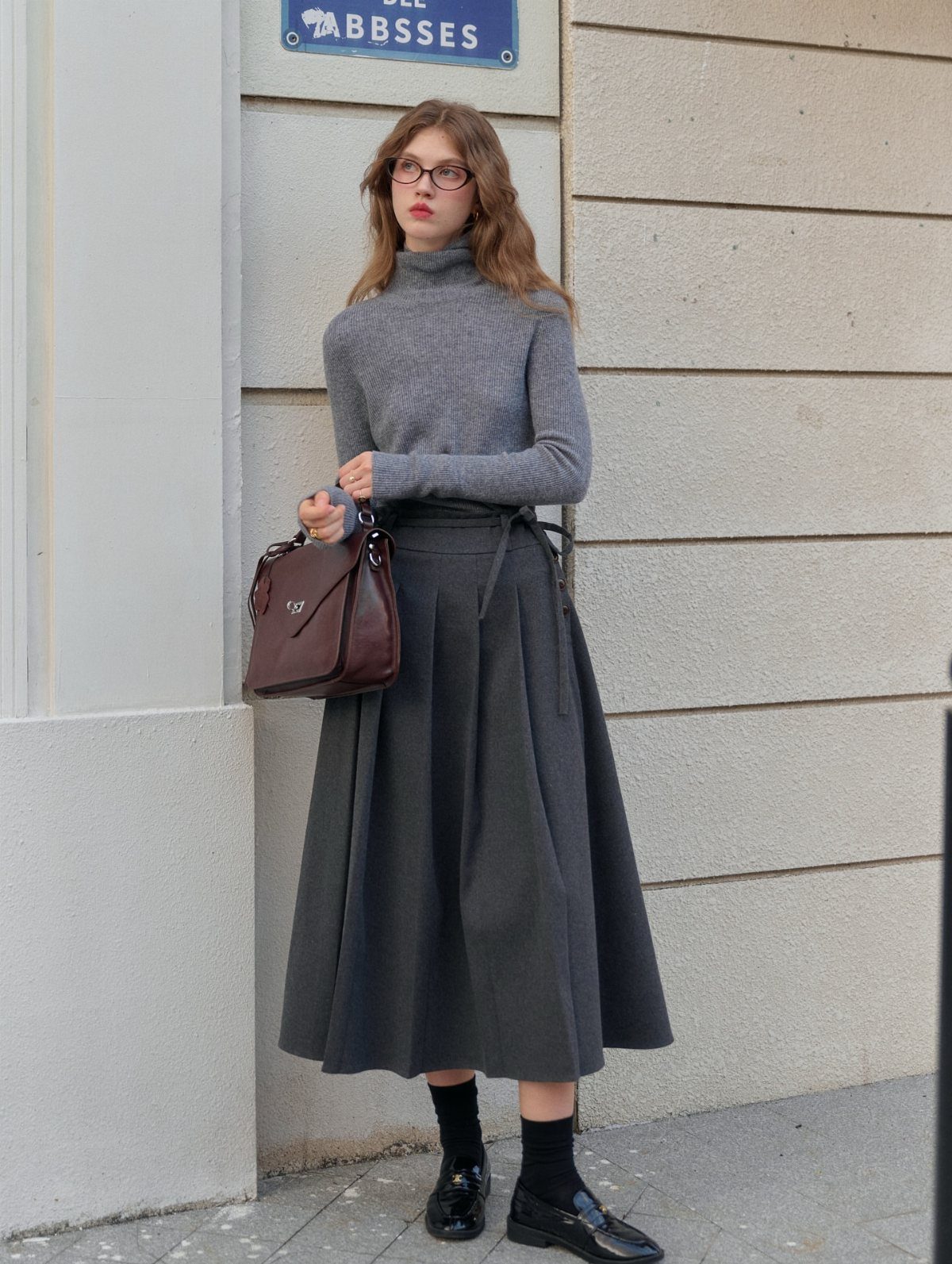
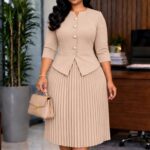
Pleats hold their shape through a day of sitting and standing better than most cuts, and the midi length covers tights without showing where they end.
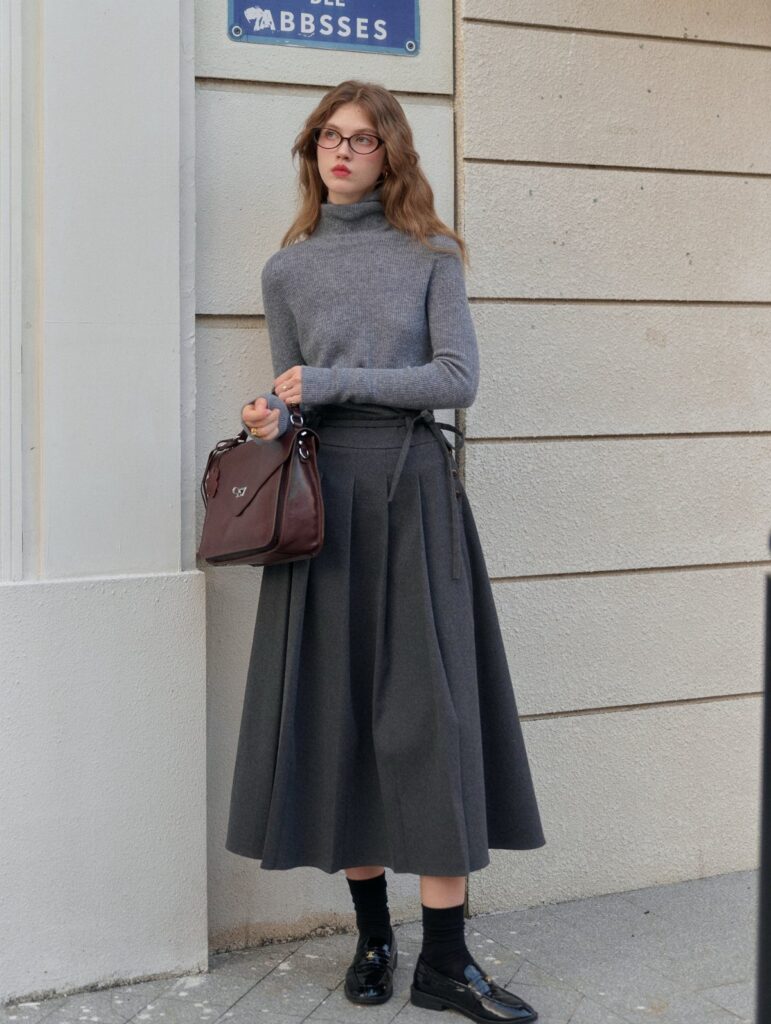
A charcoal pleated midi skirt with a grey turtleneck and black loafers works in most offices without thought. I would add thick opaque tights for winter; thinner pairs rip faster and let cold through.
Tall boots that hit above the hemline are another option if you prefer to skip tights entirely, though I have not managed that myself since moving north.
3. Structured Bags
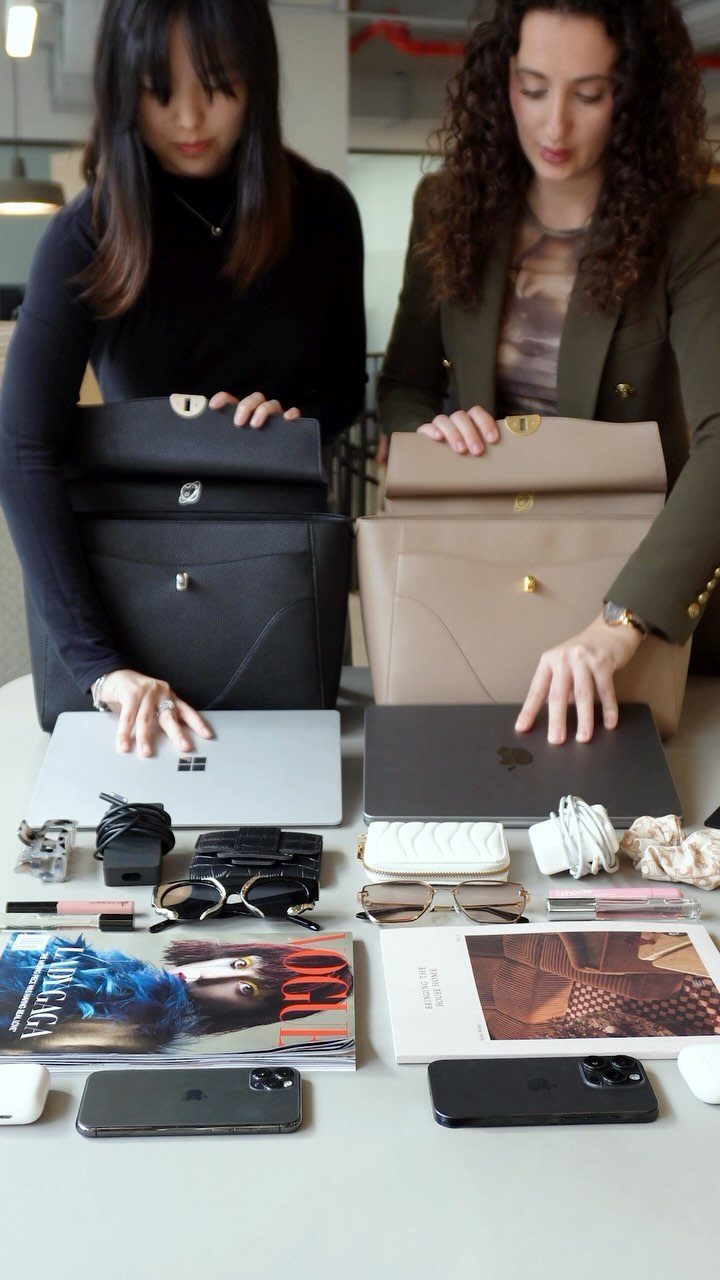
A bag that stands open on its own saves you from digging through a collapsed tote while holding coffee.
Structured leather bags fit a laptop, charger, and the small items that otherwise scatter through a work bag. I prefer a tote with a firm base for this, though a structured shoulder bag works if you carry less.
The investment is in the leather and the lining; cheap bags soften and slump within a season. Tory Burch and similar brands hold shape for years, which matters more than the logo.
4. Turtlenecks
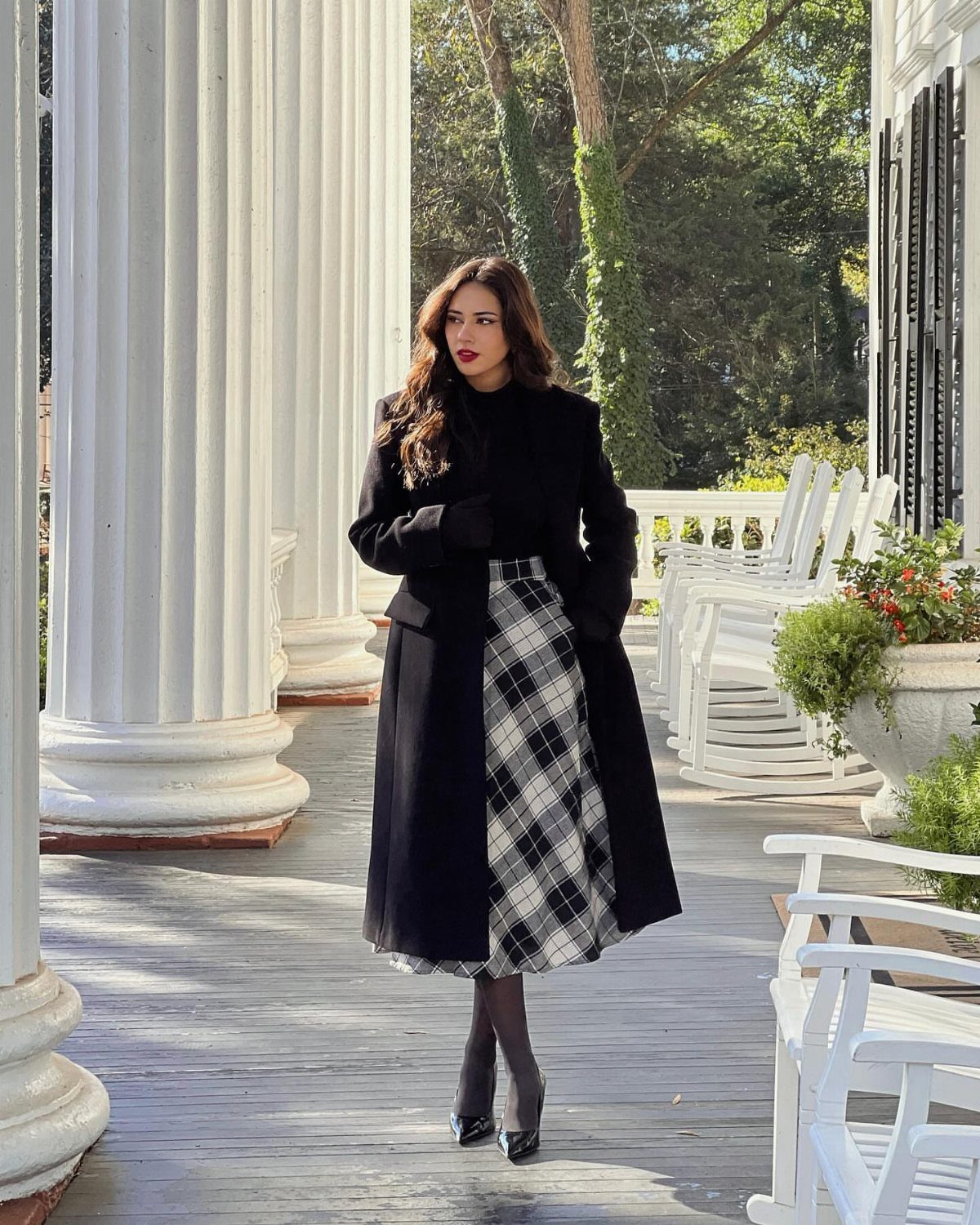
A black turtleneck under a blazer or coat reads as intentional rather than makeshift, and the coverage at the neck replaces a scarf indoors.
The fit should be close but not tight; too slim and it shows every line underneath, too loose and it bunches at the arms. Merino or a fine gauge knit works best for this, since bulk fights the outer layer.
5. Dark Wash Jeans
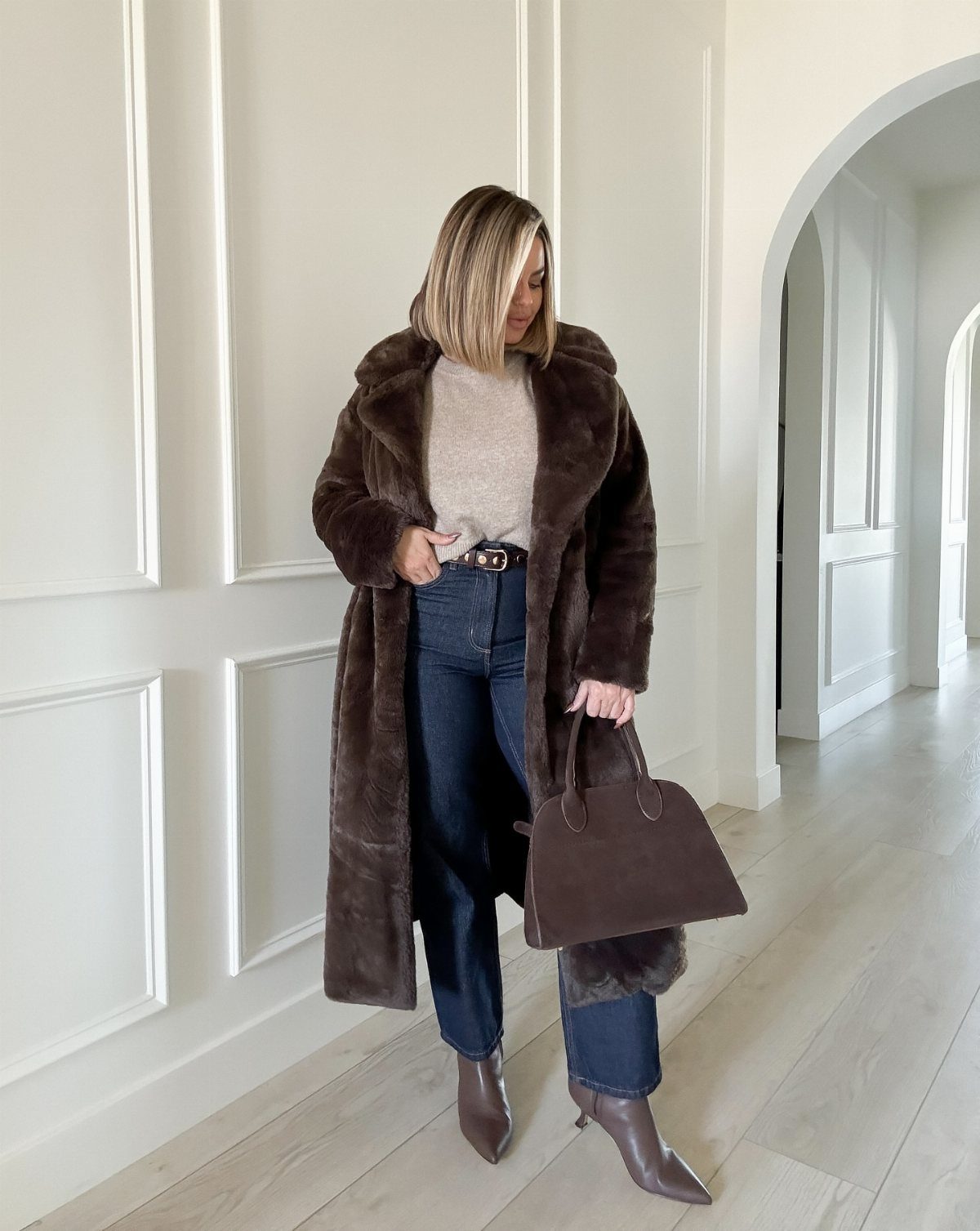
Dark wash denim without fading or distressing passes as business casual in most offices now, which extends your wardrobe without a separate purchase.
Wide-leg dark wash jeans with a beige sweater, brown coat, and pointed boots reads as trousers from a distance.
I would reserve any rips or heavy fading for weekends; the line is in the wash, not the cut. A straight or wide leg in a dark rinse looks more formal than skinny, which helps at work.
6. Long White Coat Layering
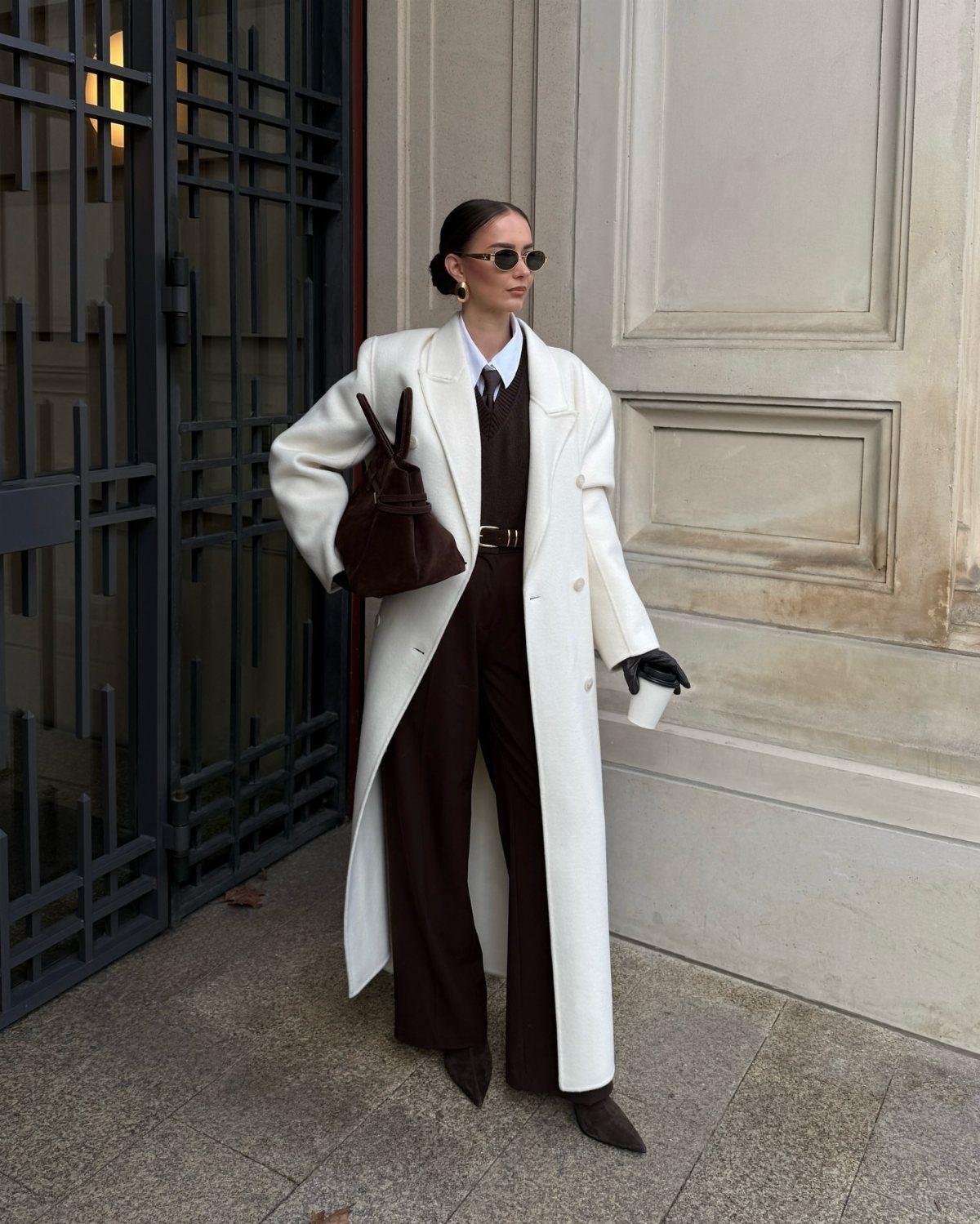
A long white coat in winter reads as confidence, since it shows you are not worried about slush or subway grime.
A tailored long white coat over a sweater vest, collared shirt, and tie with wide-leg trousers is more structure than I usually manage but looks sharp.
The length should hit at or below the knee to keep the proportion long; anything shorter fights the volume of winter layers underneath.
I would check the lining and the closure before buying, since a coat this light in color needs to close fully against weather.
7. Patterned Coat and Scarf
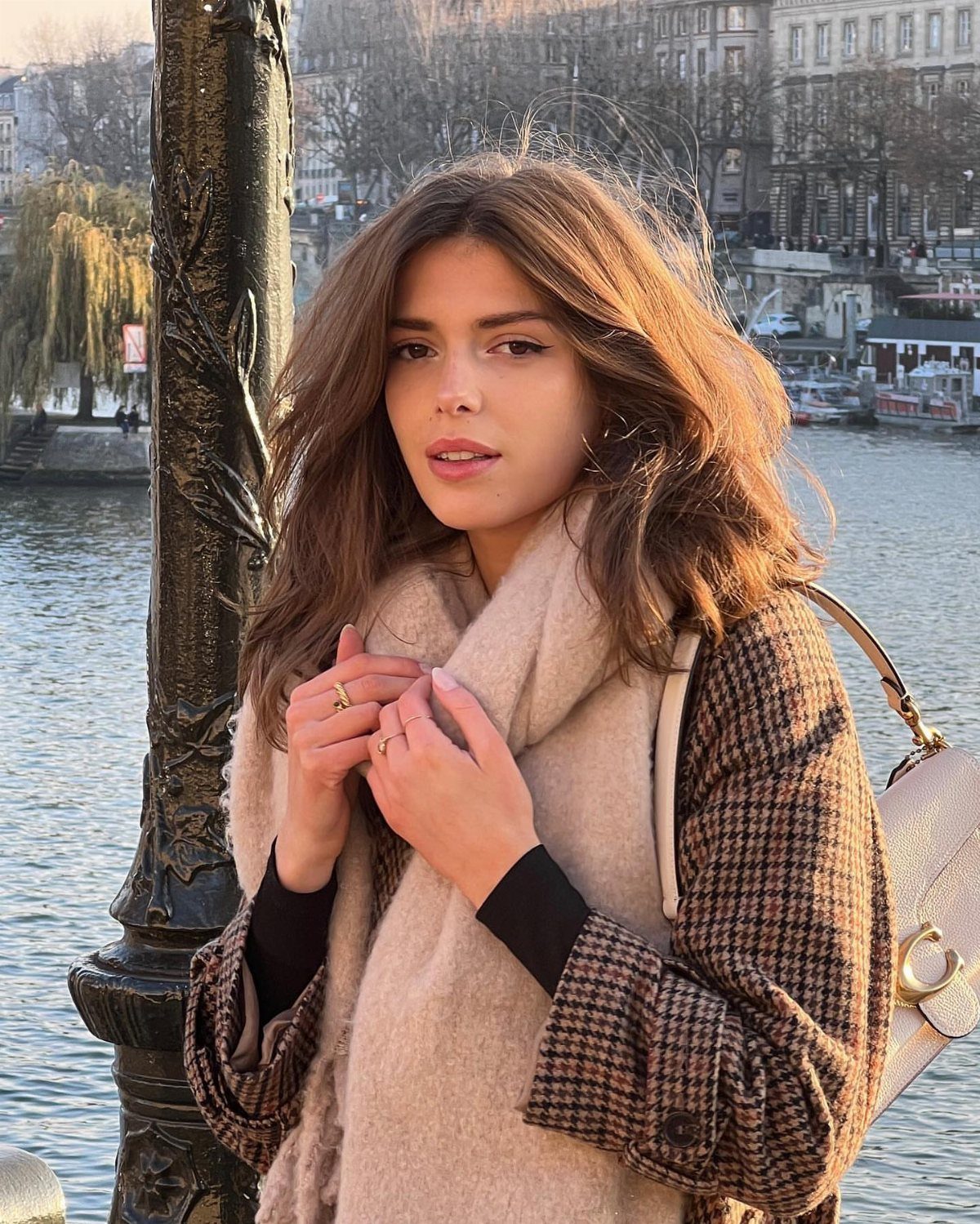
Houndstooth carries enough pattern that the rest of the outfit stays quiet, which simplifies morning decisions.
A brown check coat works with black, grey, or cream underneath, and an oversized scarf in a solid neutral keeps the look anchored rather than busy.
I would tie the scarf rather than drape it for the office; the volume of both pieces together can read costume otherwise.
Thermal tights and boots substitute for the bare legs in warmer versions if you are actually outdoors between meetings.
8. Wide-Leg Trousers and Knitwear
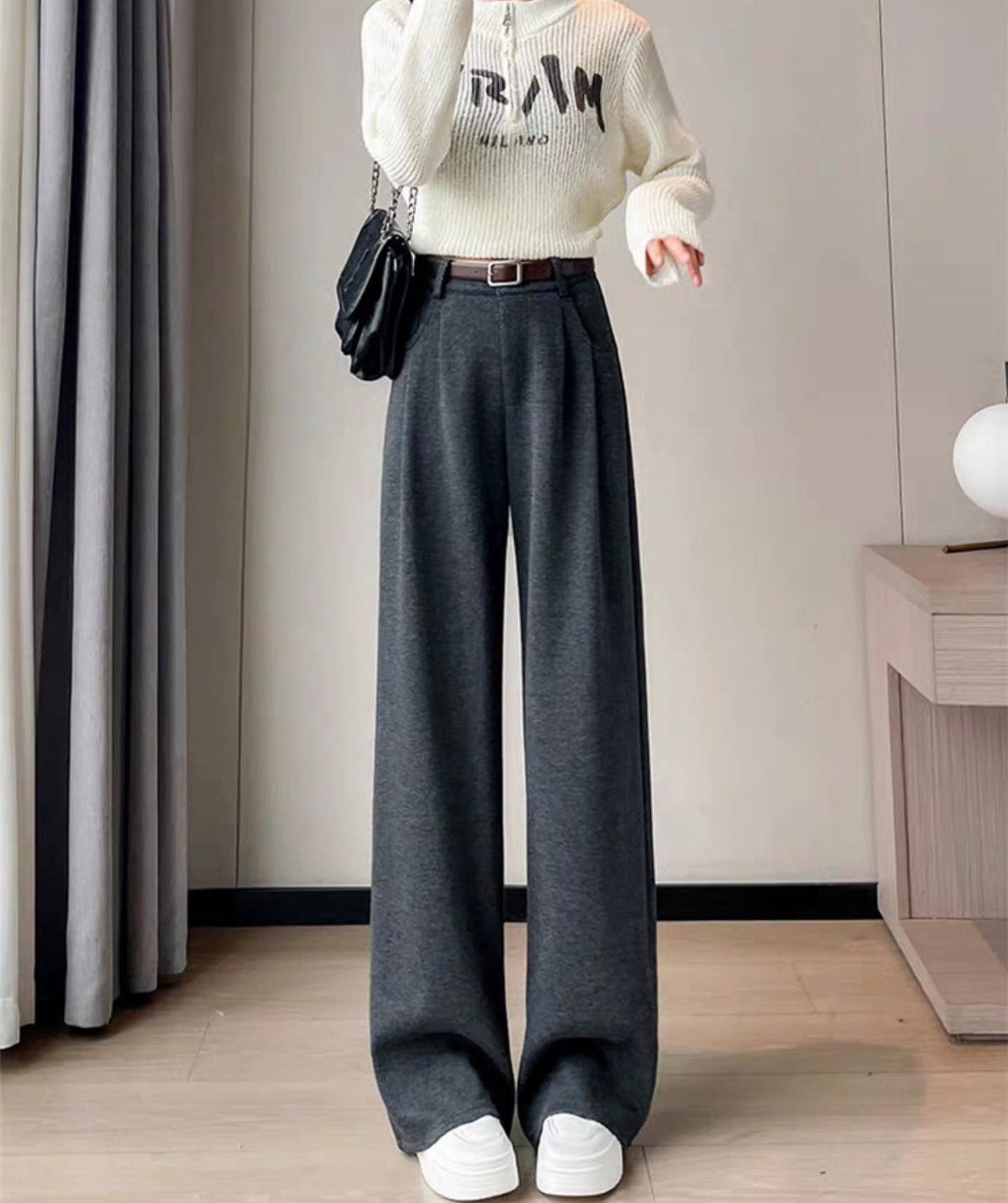
High-waisted wide-leg trousers with a fine knit tucked in give the shape of suiting without the stiffness.
The knit needs to be thin enough to stay put at the waist; a bulky tuck adds width where the high rise is meant to define it.
Merino or cashmere blends handle this better than cotton, since they lie flat and breathe under heating.
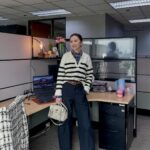
A belt helps hold the sweater in place through the day. White sneakers work if your office allows them; otherwise, loafers or ankle boots keep the same proportion.
9. Jacket with Ruffled Blouse
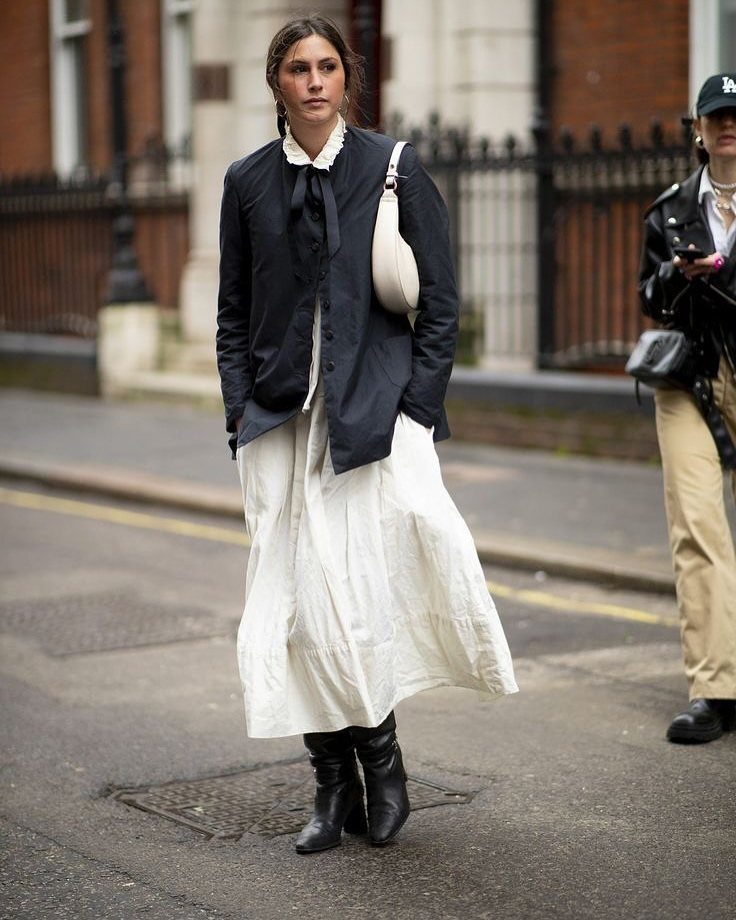
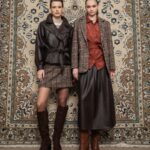
A ruffled blouse under a dark jacket brings in texture that a plain shirt does not, and the contrast of tailored and soft reads as considered rather than accidental.
The jacket should be fitted; a boxy cut over volume at the chest adds bulk. A maxi skirt and boots finish the look and handle winter temperatures without a separate coat change at the desk.
This is the piece to wear when you have a presentation or a dinner after work, since the blouse holds its own if the jacket comes off.
A poplin button-down works the same layering logic if ruffles are not your preference.
Choosing Fabrics
Wool still sets the standard for winter coats, blazers, and trousers because it insulates without sealing in heat once you step inside. I look for it first in any tailored piece.
Cashmere works for slim sweaters and scarves that sit close to the neck without adding bulk under a blazer.
The price is real, but a fine gauge layer lasts longer than 2 thicker knits that fight each other at the cuffs.
Tweed brings texture to jackets and skirts in a way flat weaves do not, and corduroy has come back hard enough that it now passes in offices where it once would have looked out of place.
I would check the wale count; finer ribs read more formal than wide.
Technical blends matter most for the commute.
Weatherproof shells that do not swish or shine let you carry less and still look pulled together at your desk. Natural fiber blends with performance fabric tend to hold their shape better than pure synthetic.
Color Choices
Black, gray, camel, and navy are still the backbone. They let you build outfits before coffee and trust them to hold up under office lighting that flatters nothing.
Jewel tones—emerald, burgundy, sapphire—add depth without the brightness that reads as weekend. I have found burgundy particularly useful; it pairs with black or tan equally and does not show office wear the way red might.
Earth tones like olive, rust, and chocolate brown work best when the fabric has texture. A flat olive trouser can look military; the same color in tweed or corduroy sits more naturally at work.
Soft pastels need more care.
Powder blue or blush only lighten an outfit when they are a single layer against neutrals everywhere else; 2 pastels and the look drifts toward spring in a season that does not forgive that kind of optimism.
Layering Techniques
A thin turtleneck under a single sweater gives warmth without the rigidity of 2 thick layers competing at your sleeves. I use this most when the office runs hot and the walk between transit and door does not.
A minimal color palette does more of the work than people credit. Matching your coat to your sweater and trousers looks deliberate rather than accidental, and it leaves only one choice to make in the morning.
The order matters. Lightest layer closest to skin, each outer piece heavier and looser.
A fine merino base, a mid-weight knit, then wool outerwear lets you shed one piece at a time as heating demands. I reverse it and I am adjusting all day.
Roomy trousers are not extra volume for the sake of trend; they let thermal layers sit flat at the thigh and knee instead of binding.
Leather gloves finish the look because bare hands against a wool coat break the line you spent 3 layers building.
Capsule Wardrobe
Quality outerwear and footwear eat budget fast, so each piece in a winter capsule needs to earn its place in more than one outfit.
I start with a coat, two knits, one pair of trousers, one skirt, and shoes that handle snow.
Black, navy, cream, and brown do the mixing for you.
If you want color, picking one temperature family saves the mismatch of warm rust against cool silver; olive, mustard, and rust layer with each other, as do lavender, icy blue, and silver, but the two groups do not easily mix.
Balancing smart and casual extends the same pieces to weekends. A tweed jacket softens against slouchy jersey trousers; tailored trousers balance an oversized jumper.
Either pairing works for Saturday coffee or Monday meetings. I get more wear from items that cross that line than from pieces bound to one side of it.
The point of the capsule is not minimalism as aesthetic; it is that fewer decisions each morning leave energy for everything else.
The secret to successful back-to-work winter styling lies in a thoughtful mix of texture and proportion—you want warmth but ease of movement.
— Vogue