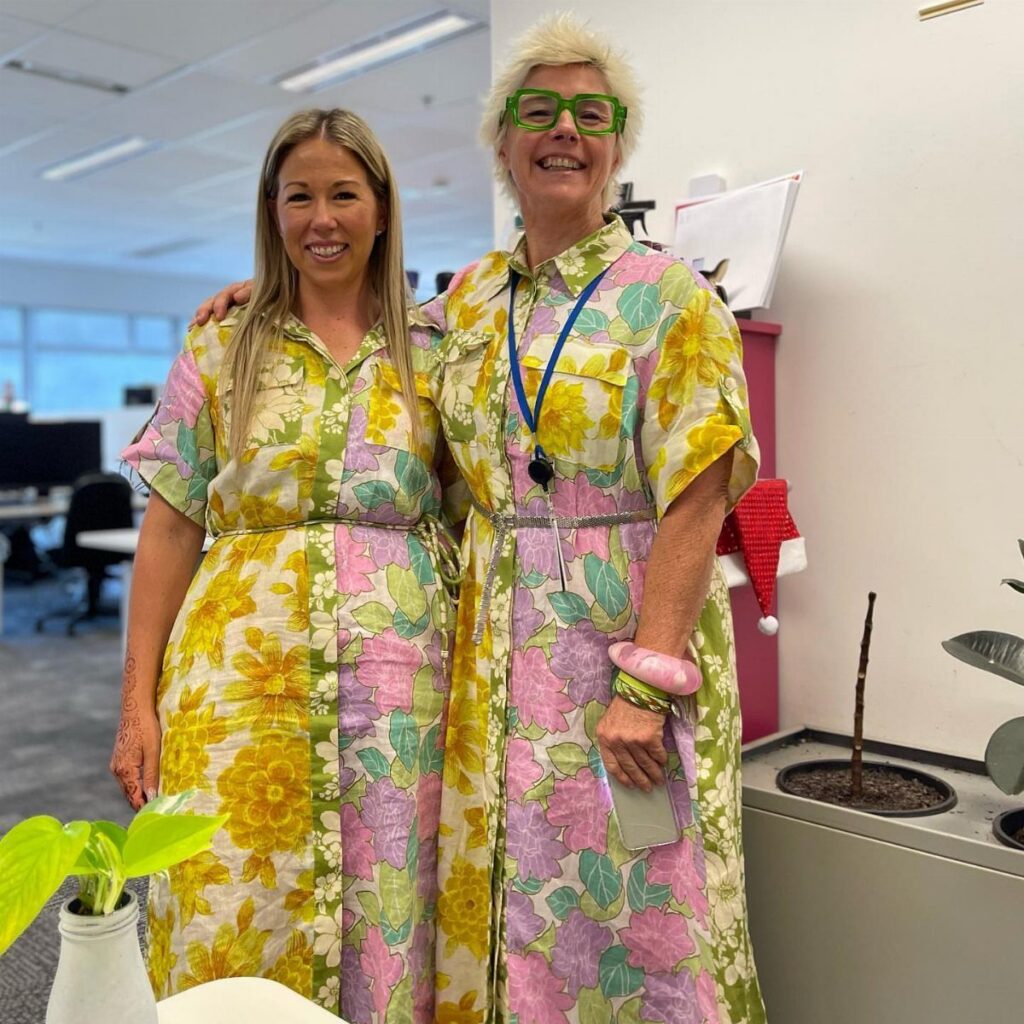
These summer work outfits run from a plain white tee with a maxi skirt to a full linen blazer and dress set, so the deciding factor is how formal your office runs and how much of your commute you spend outdoors.
The shirtdress alone moves from casual floral prints to solid navy linen depending on what you pair with it, which means one piece can cover multiple dress codes if you choose right.
1. Shirtdress
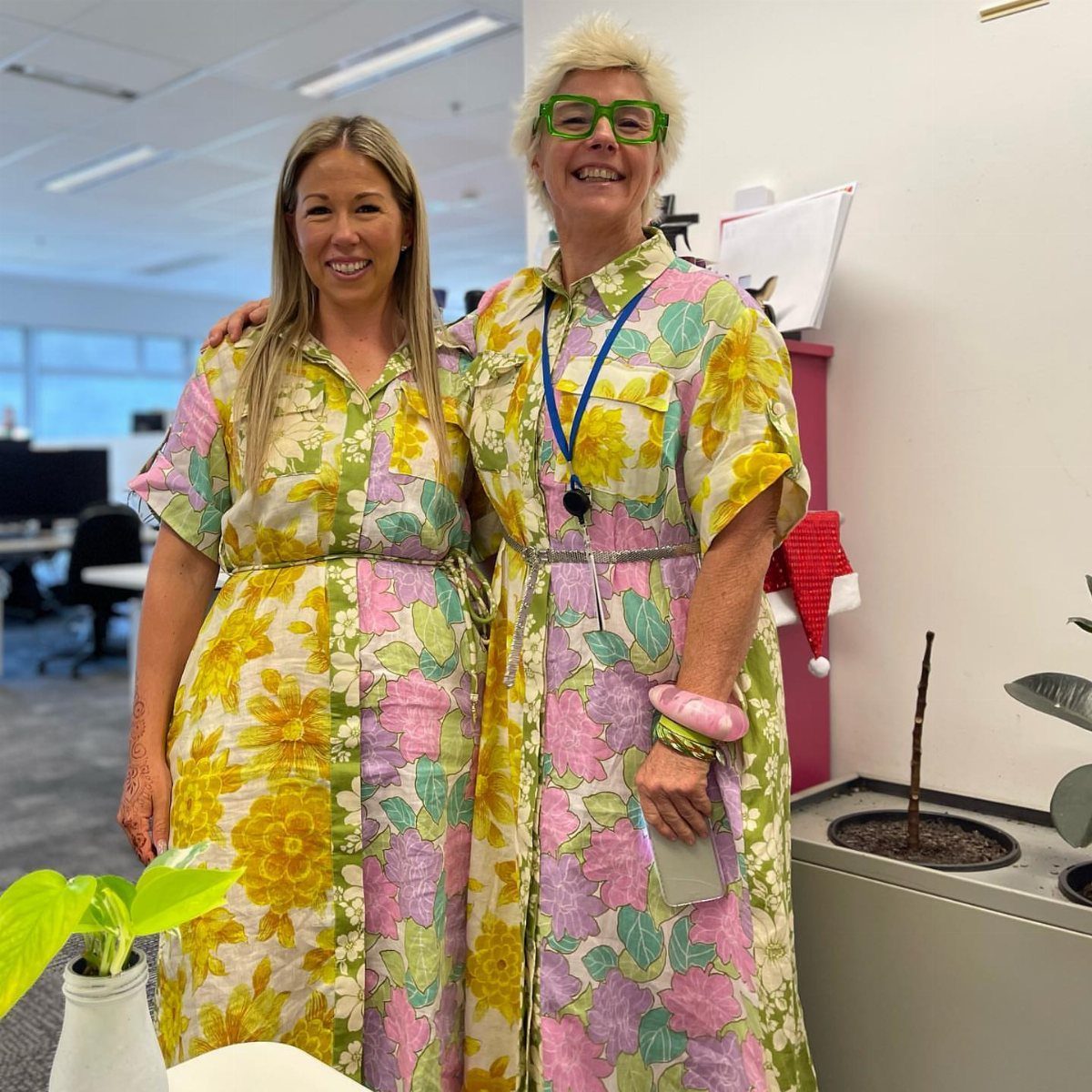
A shirtdress handles the summer morning rush without looking like you gave up. The collar and buttons do the professional work; the loose fit keeps air moving when the commute is already sticky.
I reach for mine on days I slept through the alarm.
A thin belt in a contrasting color pulls the shape together and stops it from reading as a beach cover-up. Pile on jewelry if your office leans creative; skip it if the dress code runs stricter.
Flats, sandals, or heels all work, which is half the point. Short sleeves and a bright floral read casual; a solid linen version in navy or olive moves between offices more quietly.
Experiment, but keep it chic! Summer office dressing doesn’t mean you should look like you’re going to the beach—reserve tank tops, flip-flops, and shorts for leisure activities.
— Elle
2. Midi Skirt and Tucked-in Blouse
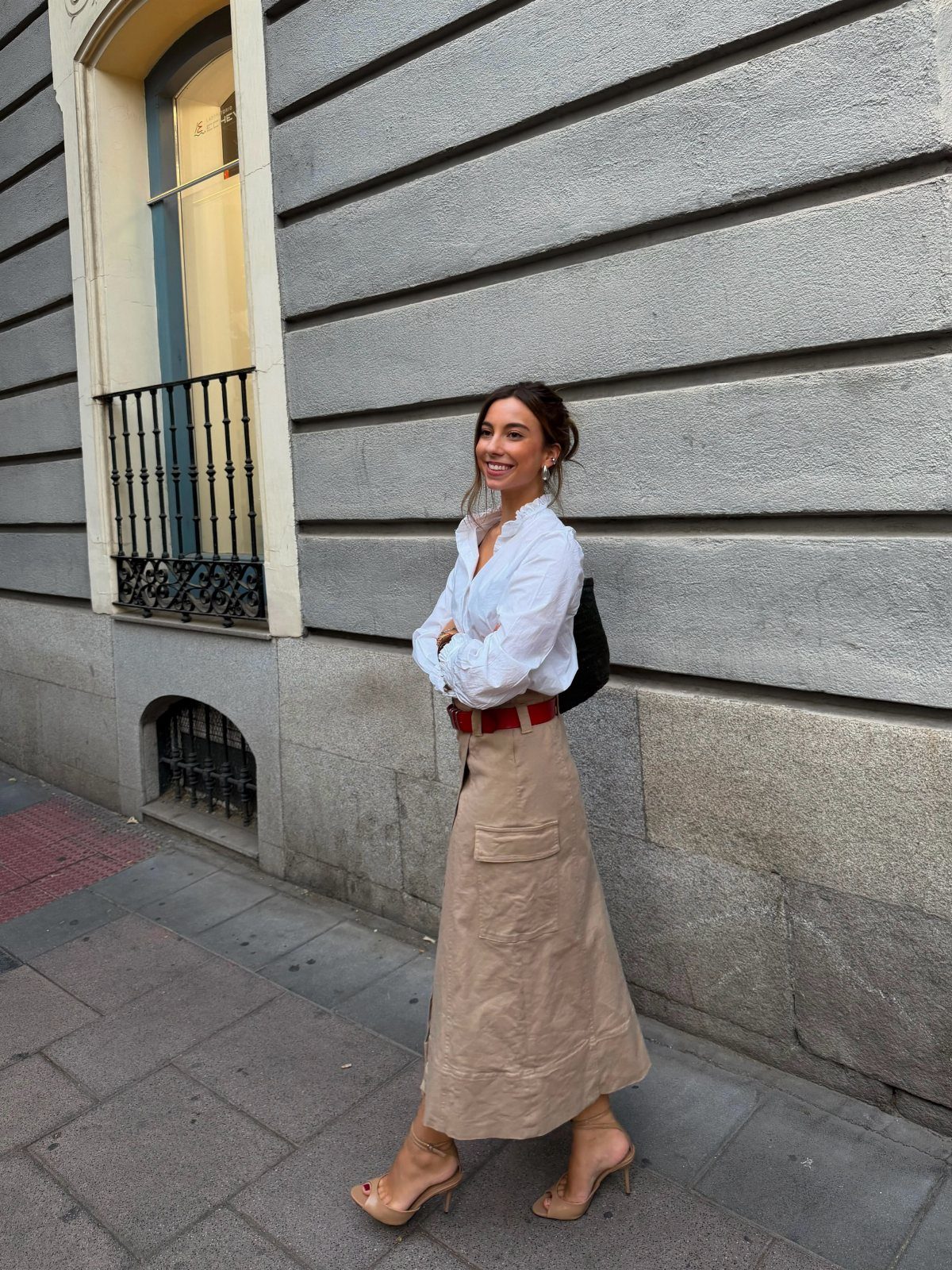
The tucked-in blouse and midi skirt combination still earns its place because it looks intentional without requiring much intention.
A flowy skirt in a neutral tone with a lighter top gives you shape without cling; strappy sandals finish it when closed-toe shoes feel like punishment.
I like this for offices with real temperature swings, the kind where the sidewalk is hot and your desk is freezing. The blouse layer handles both, and the midi length saves you from adjusting hemlines on windy train platforms.
Pattern mixing works here if you want it: a striped top with a floral skirt, or keep both pieces solid and let a red belt do the talking.
3. Breezy Dress and Linen Blazer
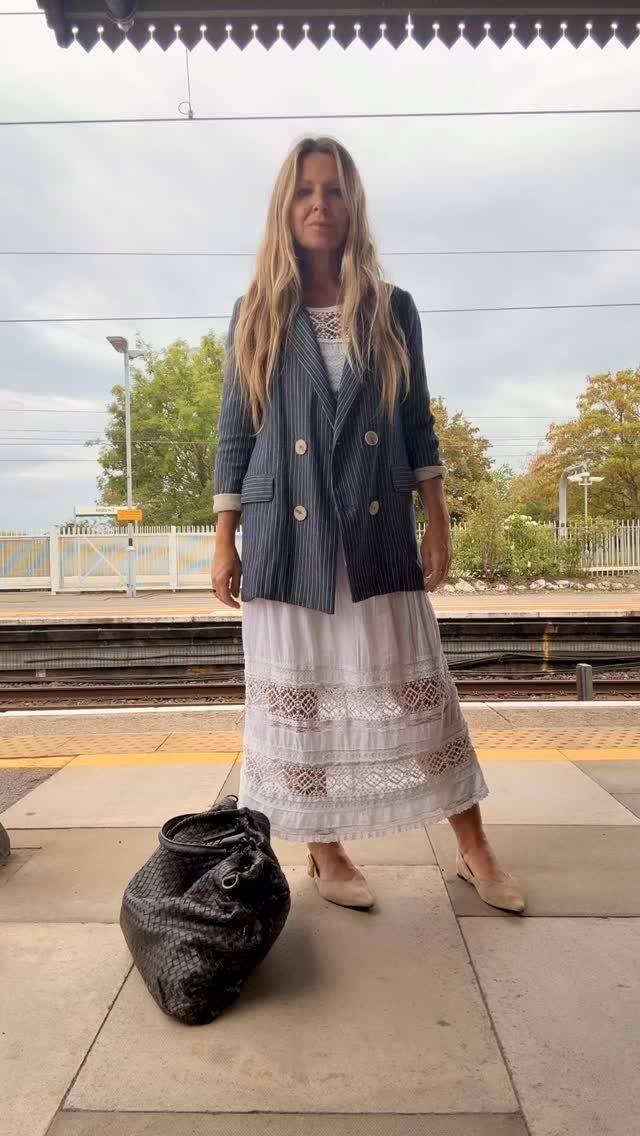
A linen blazer over a dress solves the summer problem of looking professional while not melting. The blazer carries the meeting; the dress underneath handles the walk from the car.
I own one cream linen blazer that I throw over printed dresses all July.
The texture reads as intentional, not like I grabbed my boyfriend’s jacket. White lace with pinstripes is one route; a colorful dress with a neutral blazer works the same way: the dress does the personality, the blazer adds the structure.
A thin gold belt at the waist helps if the blazer boxes you out, though the look works just as well without one. Choose ankle-strap heels in a tone that matches your skin to keep the line long.
4. Casual Blazer and Jeans
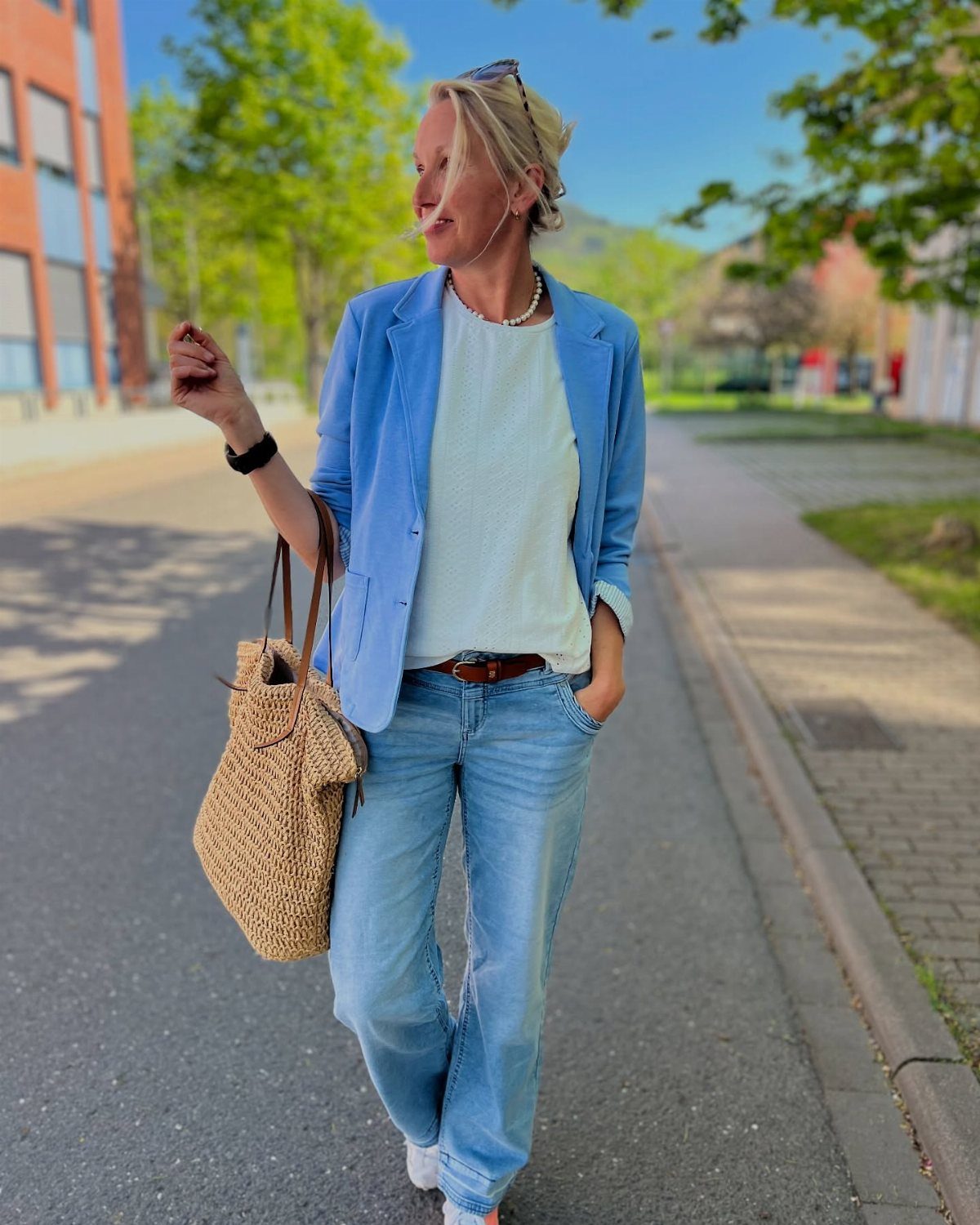
Light-wash denim with a blazer used to feel too casual for my office until I saw how the right jacket frames it.
A casual blazer in a soft color, think powder blue or pale grey, pulls the look toward intentional rather than weekend.
Fit matters most: jeans that actually fit, not the pair you garden in, and a blazer that hits at the hip rather than drowning you.
A simple white or cream top underneath keeps it clean. I wear this on days with no client meetings but plenty of video calls where only my top half shows.
A woven tote leans into the relaxed mood without undermining it.
5. Tailored Shorts and Blazer
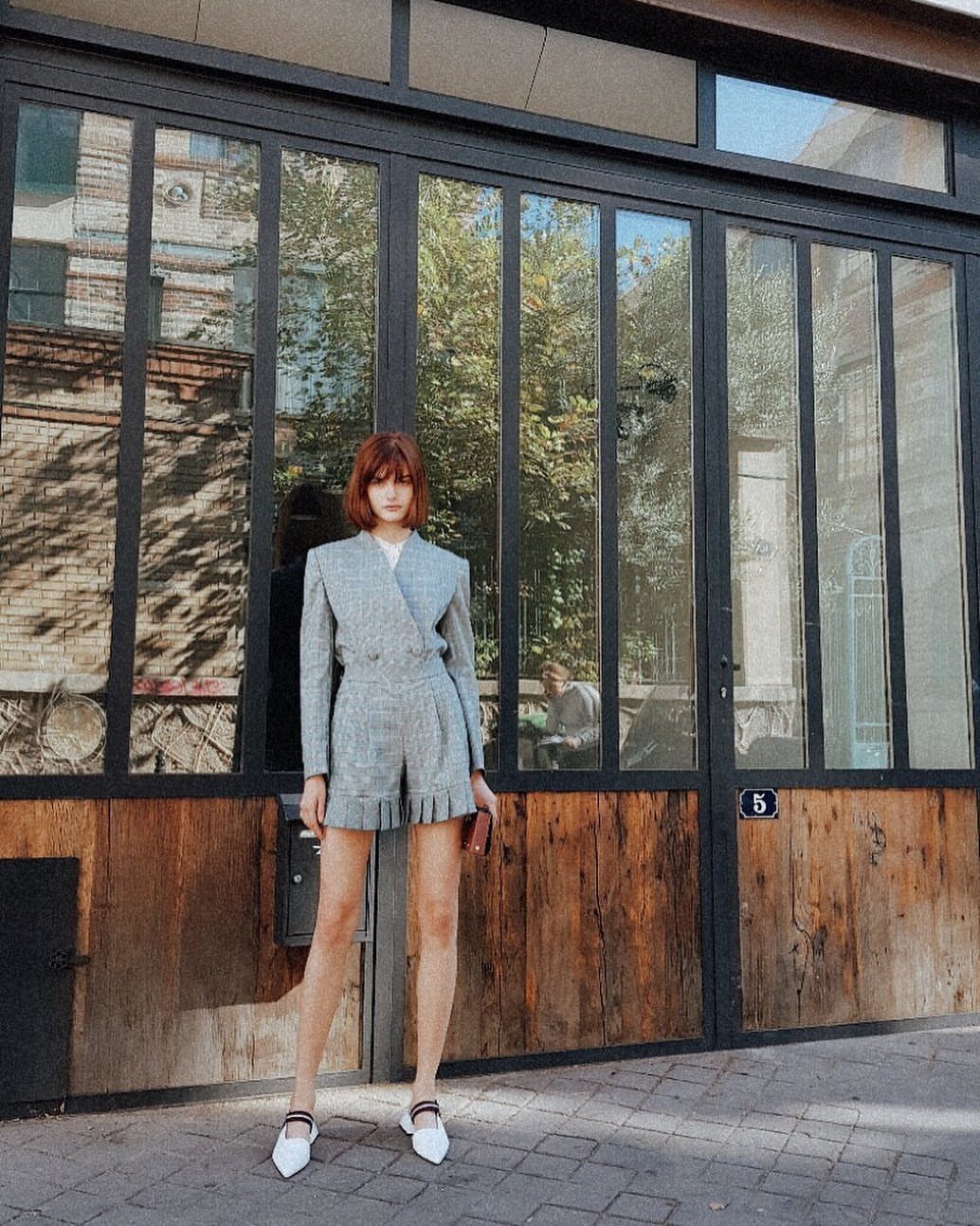
Tailored shorts with a blazer only works if your office actually allows shorts, so check before you commit.
If they do, a matching set in a neutral, a soft grey or blue, reads as a suit that happens to be short.
I would balance the bare legs with a long-sleeved top, something crisp and buttoned, and keep the shoes polished: loafers or white flats rather than anything too beachy. A pleated cut keeps it polished; running shorts or cutoffs would not.
If shorts are off the table at your workplace, a cropped trouser in the same fabric buys you the same look with more coverage.
6. Floral Dress
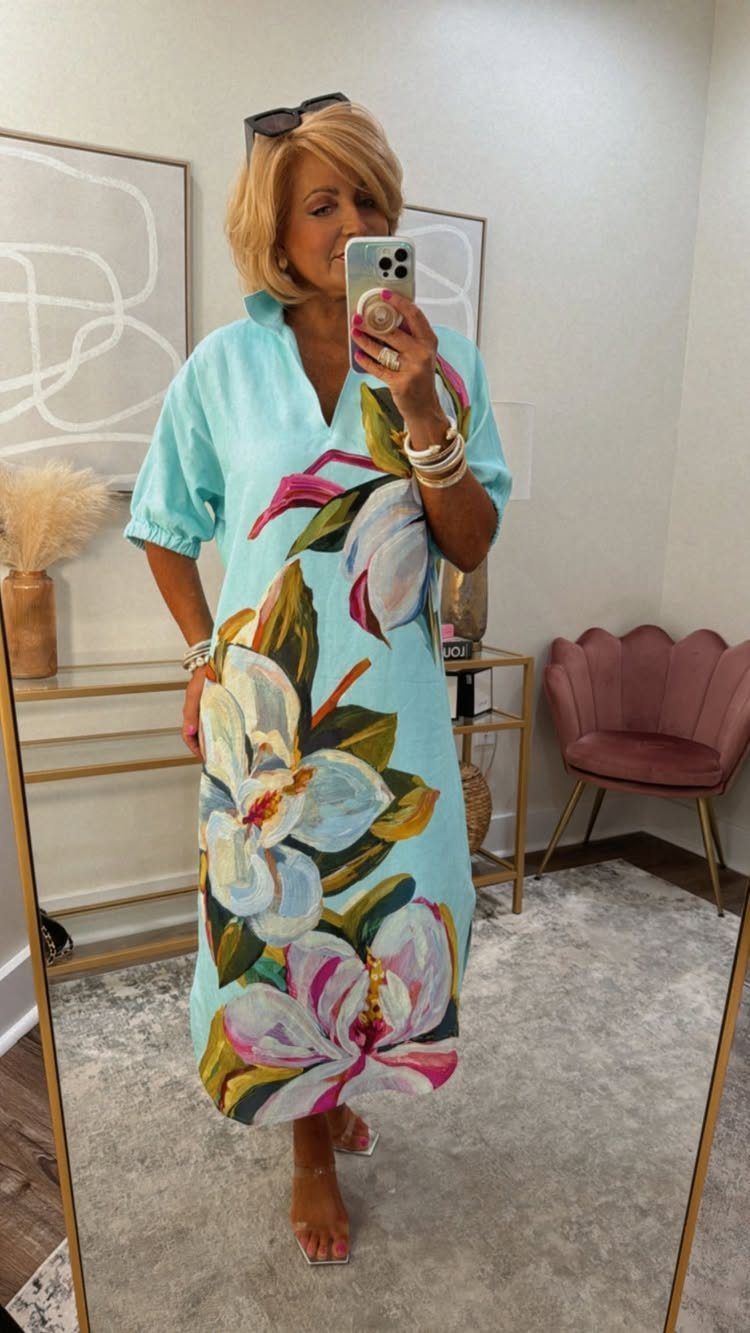
A floral dress in summer is obvious, which is why it works: no one questions whether you tried. Painted, large-scale florals feel more modern than the tiny ditzy prints I wore in college, and the midi length keeps it desk-appropriate.
I look for a simple cut when the print is doing this much talking.
Too many ruffles or tiers and the dress starts to read as occasion wear. Clear heels keep the foot visually open and extend the leg; nude pumps do the same if you prefer something more covered.
A simple blouse layered underneath can winterize this same dress later, which matters if you are buying less.
7. Bold Patterns
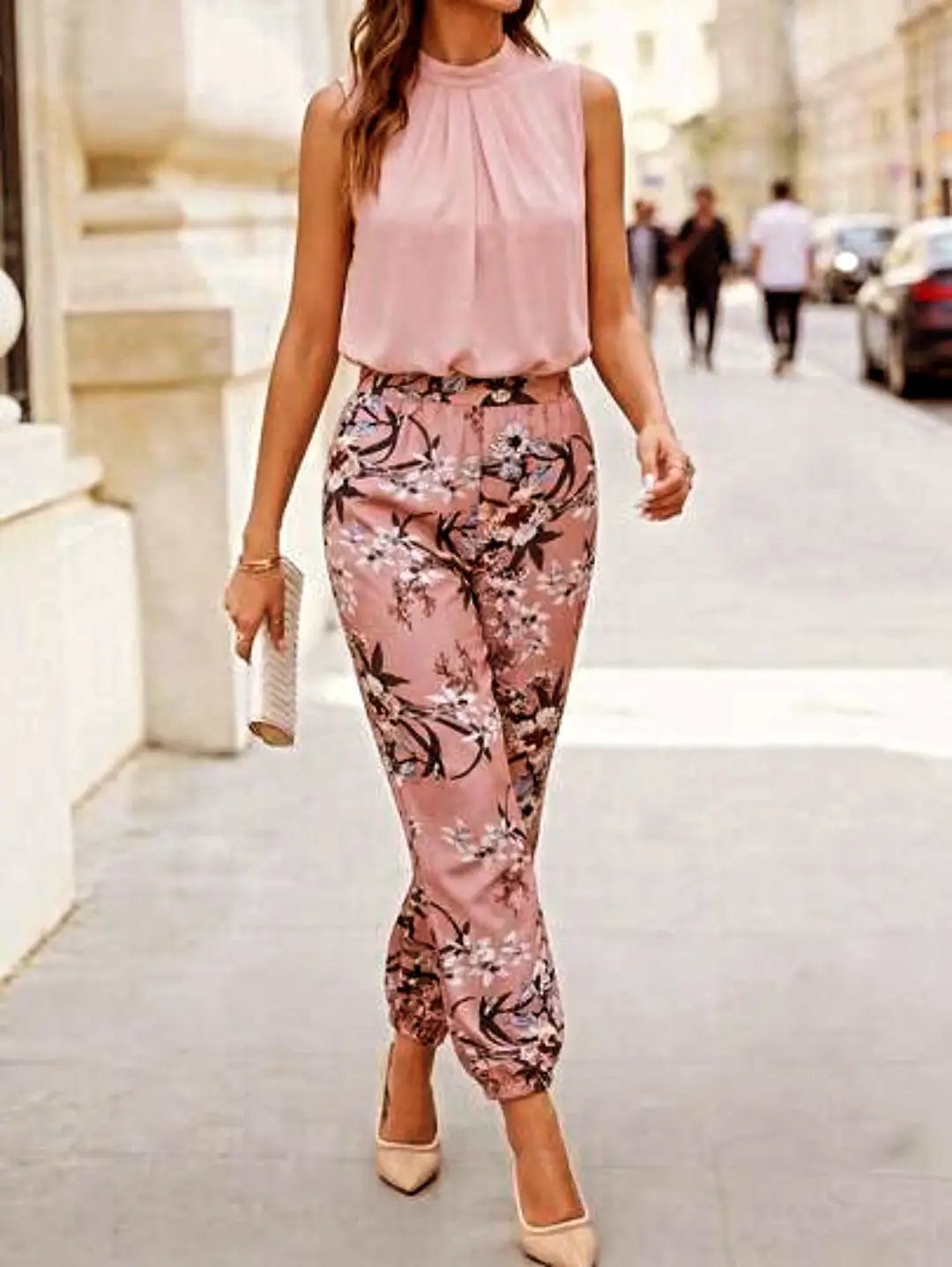
Bold patterns let your personality into the room without breaking the professional frame. Keep the silhouette familiar with an A-line skirt, a pencil cut, or ankle-cuffed trousers, so the shape still says office.
I would keep the top simple and in a color pulled from the print itself. The floral trousers work because the sleeveless shell is quiet; let one piece do the shouting.
Check your office first. Creative fields handle this easily; conservative ones might need the pattern scaled down or moved to a single accessory.
8. Monochromatic White
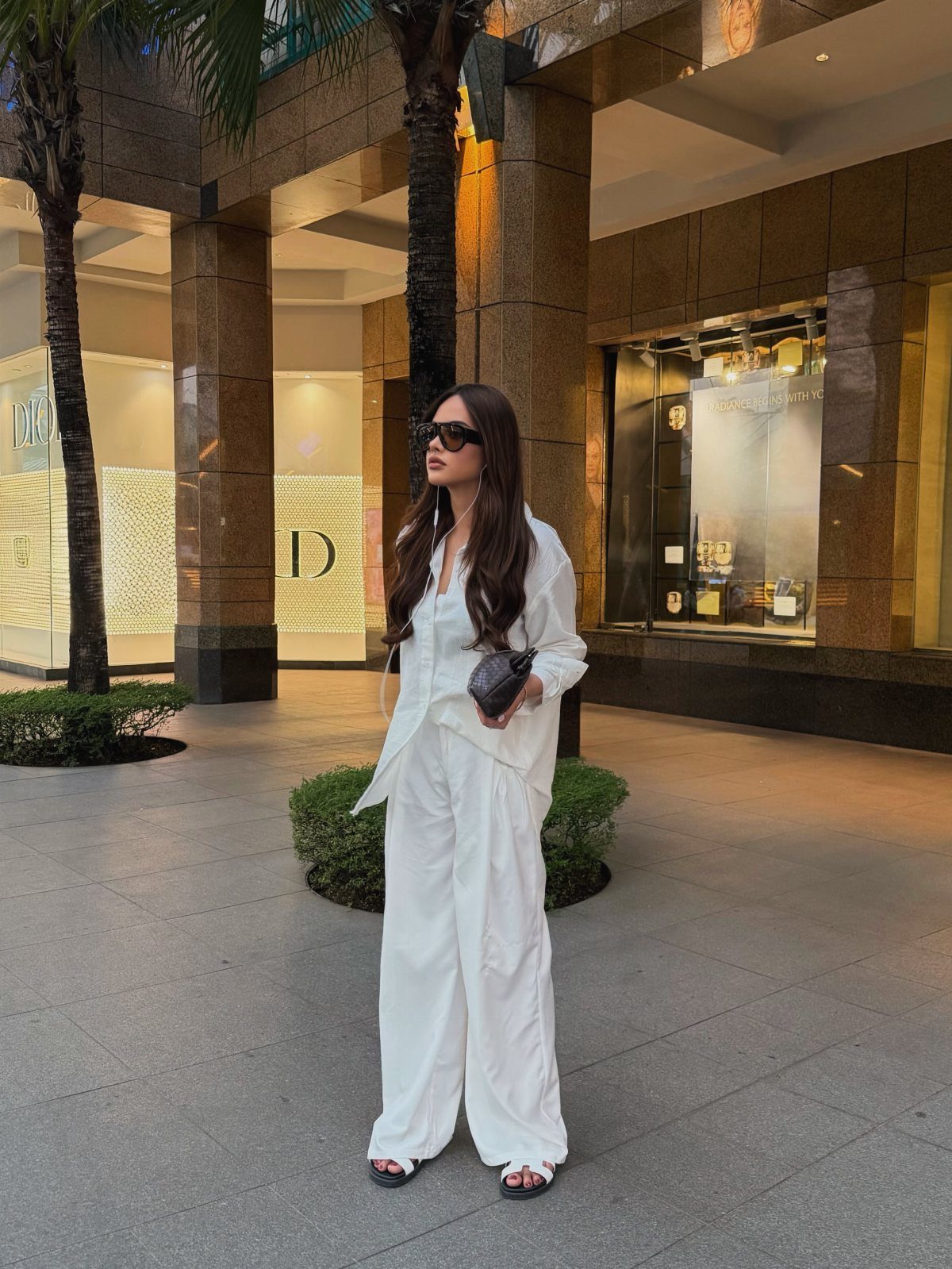
All-white dressing in summer reads as intentional the moment you step into a room where everyone else is in navy.
Fabric choice makes or breaks this. A thin cotton or linen blend stays breathable and avoids the see-through problem cheaper whites have.
I would add texture somewhere, a ribbed knit top instead of flat poplin, or a trouser with a subtle weave, so the outfit has dimension rather than washing out into one blank plane.
Nude underlayers are non-negotiable. White underwear shows through; skin-toned does not.
9. Tailored Vest and Wide-leg Trousers
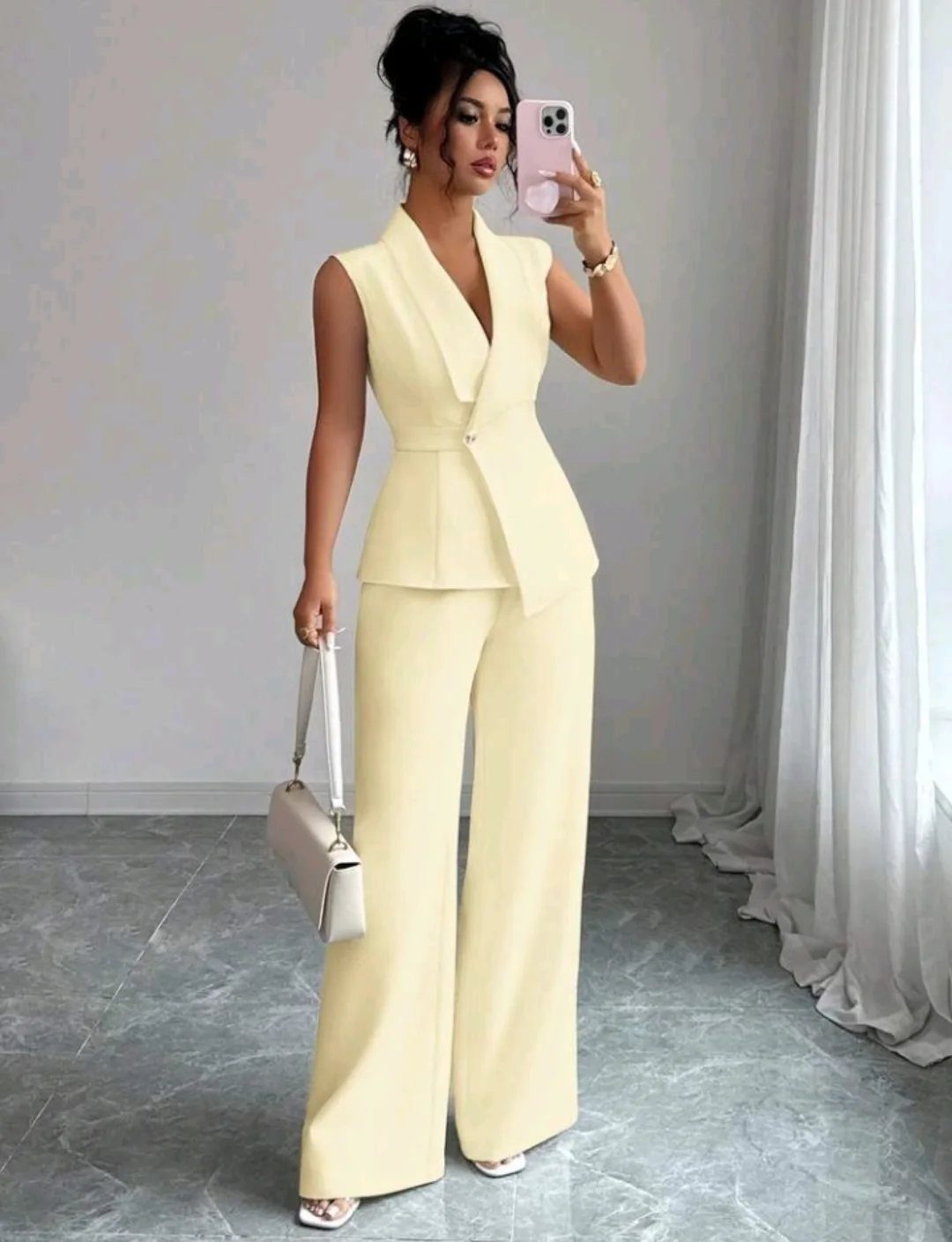
A tailored vest with wide-leg trousers gives you the suit effect without the jacket you will not want once the day warms up.
The sleeveless cut keeps air moving; the matching fabric keeps it looking like a considered set rather than orphaned pieces.
The pale yellow works because the tone is soft, not loud.
I would look for a waistcoat that hits at the natural waist and trousers with enough length to skim the shoe. A small white bag keeps the palette clean without adding another color to manage.
10. Button-up Blouse and Mini Skirt
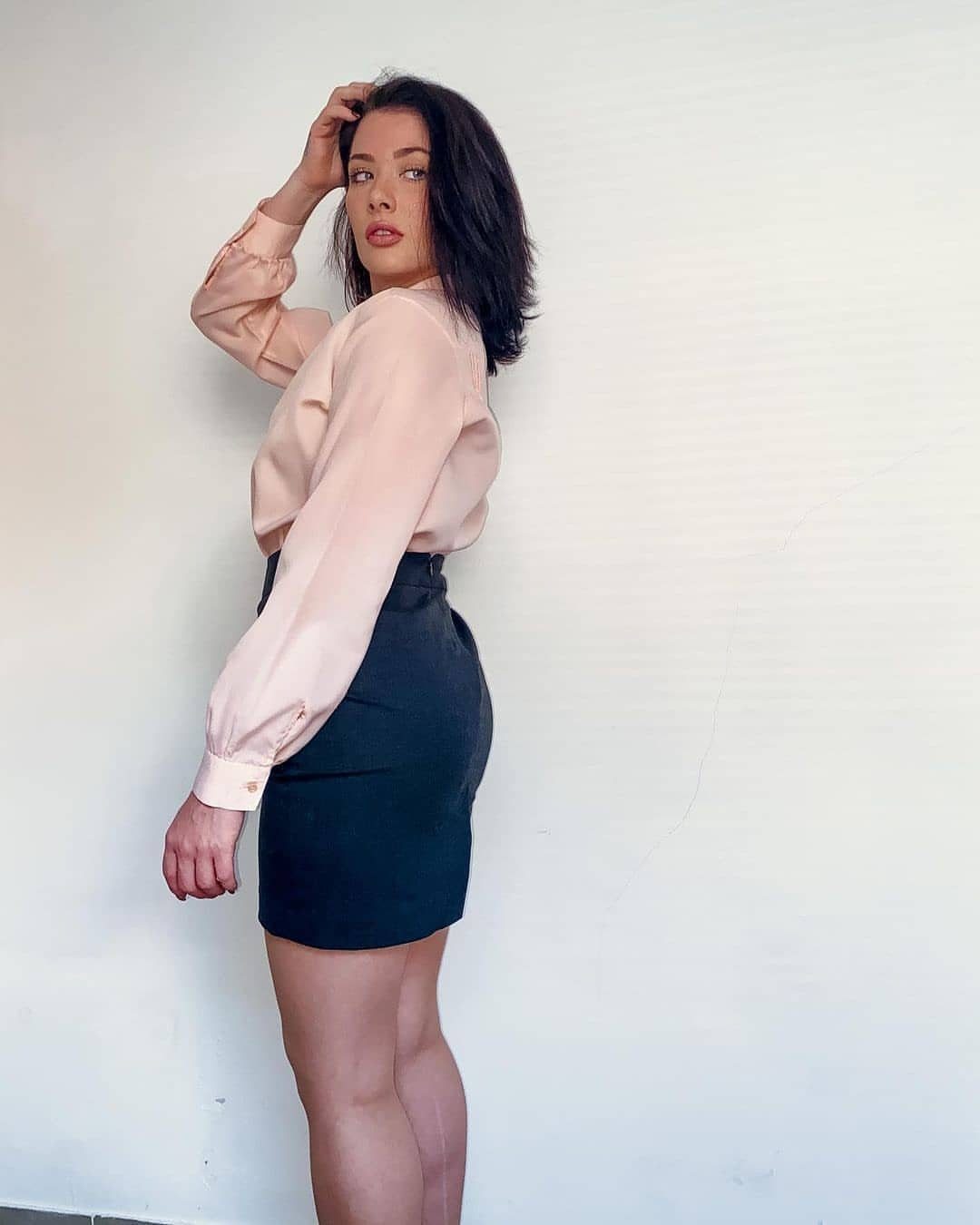
A button-up blouse tucked into a mini skirt is the shortest hemline I would risk at work, and only because the high waist and long sleeves balance the exposure.
The navy and pink keeps it from reading as night-out; the colors are office-appropriate even if the length pushes it.
I would add a belt to define the waist and keep the blouse from blousing out.
The long sleeves matter here: bare arms with a short skirt tips too far toward casual. If your office runs strict, swap the mini for a pencil skirt in the same navy and the look holds together.
Loafers or pointed flats ground it better than strappy sandals would.
11. T-shirt and Maxi Skirt
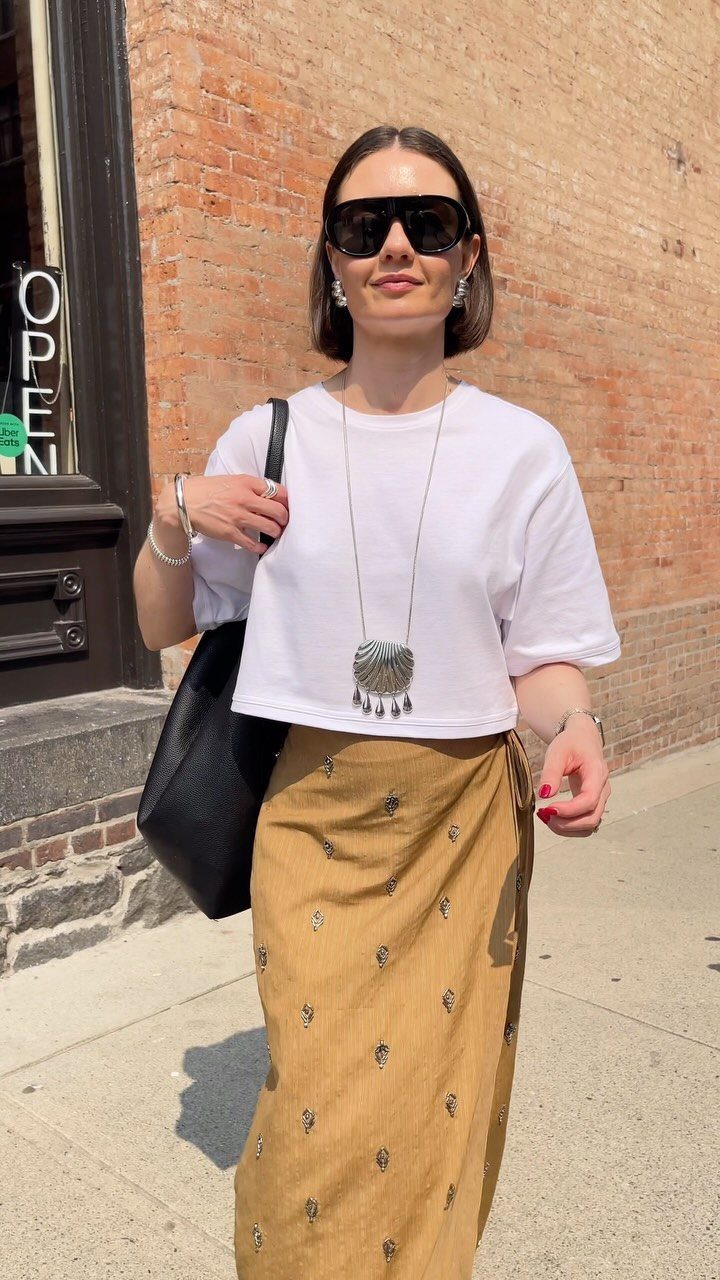
A plain white t-shirt with a maxi skirt is the summer work outfit I reach for when I want to feel dressed without feeling dressed up.
The cropped cut keeps the proportion from drowning you; the long skirt adds the polish the tee lacks on its own.
A patterned skirt does the heavy lifting here.
I would stick to a solid white or cream top so the skirt stays the focus. A shell pendant adds one vertical line that lengthens rather than cluttering.
Cotton or linen blends on both pieces keep you from overheating. This is the entry point for offices where blazers feel like costume; the maxi length still reads as effort made.
Choosing Lightweight Fabrics
Cotton and linen are the obvious summer choices because they actually let air pass through.
A linen blend keeps its shape better than pure linen, which wrinkles the moment you sit down. Lightweight silk works too, though it requires more care than I want for daily wear.
White and light pastels absorb less heat than navy or black, but the fabric weight matters more than the color. A thin black cotton skirt can feel cooler than a thick white synthetic.
The see-through problem with white and cream is real.
Nude underlayers solve it; white underwear does not. I check seams in natural light before leaving the house, especially with cheaper pieces where the fabric density varies.
Dressing for Office Temperature
The gap between sidewalk heat and office AC is usually twenty degrees or more, which means carrying a layer is non-negotiable.
A lightweight blazer or loose cardigan layers over almost any summer work look without adding bulk; linen keeps the shape crisp and the heat manageable.
Let a shirt collar and cuffs peek out underneath so the extra layer reads deliberate, not like you grabbed the nearest thing from your desk chair.
I keep one at my desk rather than wearing it through the commute. The outfit should look complete without it, since you will shed the layer by noon.
Mixing Patterns and Colors
One bold piece per outfit is the safer rule. One bold piece per outfit is usually the limit; a floral dress or statement trousers already do the heavy lifting, so keep everything else quiet.
If you want to mix, pull a color from the louder piece for the quieter one. Scale matters too: a large floral with a narrow stripe balances better than 2 prints of similar density.
Accessories can carry pattern when clothing stays solid. A printed scarf or structured bag adds personality without the commitment of a full garment.
Frequently Asked Questions
What are some good summer work outfits?
A shirtdress with a thin belt handles rushed mornings while looking intentional, and a midi skirt with a tucked-in blouse works across offices with tricky temperatures. Fabric matters more than silhouette: cotton, linen, and lightweight blends actually let air move.
How to stay cool in summer work attire?
Choose cotton and linen because they let air pass through; a linen blend keeps its shape better than pure linen, which wrinkles the moment you sit.
A lightweight blazer or cardigan stashed at your desk keeps the outfit complete for the commute without the layer you will shed by noon.